
Design and Aesthetics
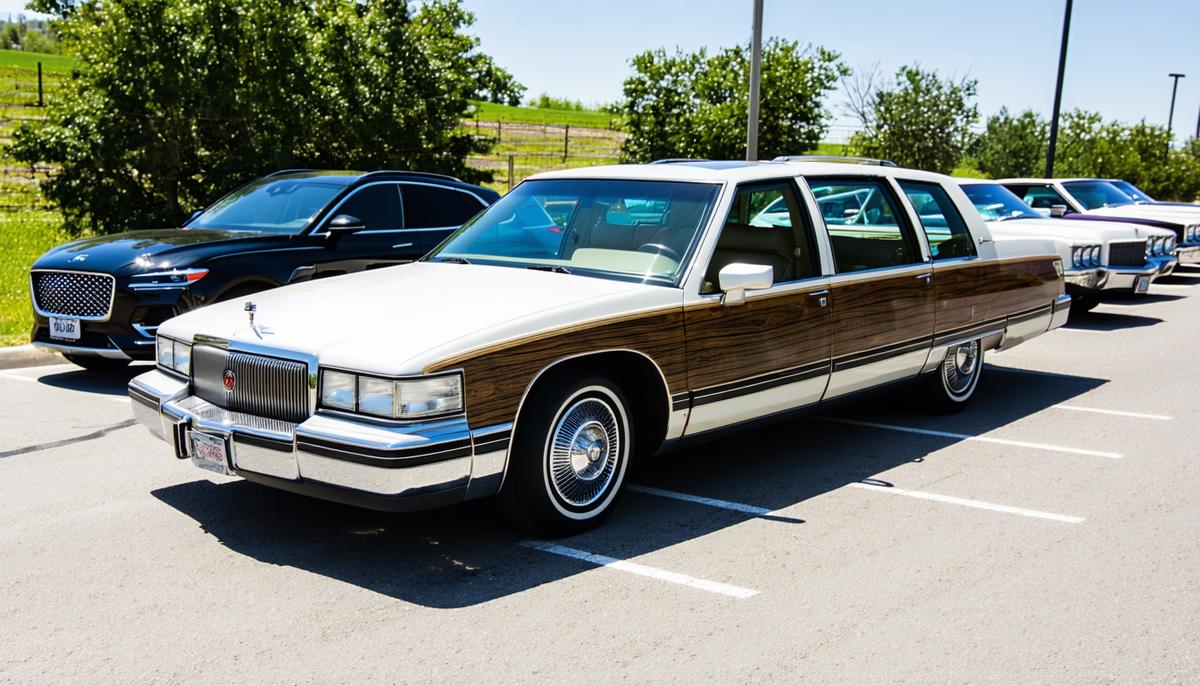
The Buick Roadmaster is a giant of a car, stretching out to nearly 216 inches with a body-on-frame construction straight out of a time when durability wasn't just a word but a design philosophy. That woodgrain paneling? It's like slapping mahogany trim on a pile of bricks—unexpected but somehow it works. It sets a precedent for swagger when lined up against other cars of its era, flaunting its retro essence without blinking an eye.
Inside, it's like stepping into your grandma's living room, plush and inviting. The bench seats are wrapped in crushed velour—a material long lost to modern interiors. There's room for the whole family and then some, with three rows that could probably double as a cozy nap spot on a lazy afternoon.
Comparing it to other vehicles from the same era, we're looking at a different beast altogether. It cornered the market on size and style, all while maintaining that definitive Buick lineage in its design—a bulldog of a car, proudly exhibiting its giant grille as if daring you to question its anachronism.
In a world that now leans heavily on efficiency and sleekness, the Roadmaster stands as a tribute to a time when cars were built to be statement pieces. It's large, in charge, and while it guzzles gas like it's happy hour, it trades that off for the joy of driving something genuinely different from anything else.
Performance and Mechanics
Buckle up, because we're diving into the heart of the beast—the Buick Roadmaster's performance and mechanics. This classic slab of American steel is packing a punch under that massive hood with a 5.7-liter V8 engine, the legendary LT1, the same engine that shared guts with the fiery '90s Corvette. Though in this Buick, it's tuned for a solid 260 horsepower and 330 lb-ft of torque, giving the Roadmaster the spirit of a muscle car nestled in the body of a comfortable family ride.
Now, about that towing capacity. We're talking about a rear-wheel-drive titan capable of hauling up to 5,000 pounds. It's like a trusty sidekick, ready to lug trailers or campers with the ease of a gentle giant.
Of course, the Roadmaster has an insatiable appetite for fuel—it's about as thirsty as a frat party on game day. With EPA ratings of 15 MPG city and 23 MPG highway, it treats gas stations like pit stops on a NASCAR track.
The Driving Experience:
- Glides over potholes with gazelle-like grace
- Power steering allows maneuvering with just a pinky
- Soft suspension prioritizes comfort over corner-hugging
In comparison to its contemporaries, the Roadmaster stands out as a charismatic grunter, a genuine vessel from an era defined by boldness in expressiveness and engineering. It doesn't just bring the heat with its performance figures; it serves a generous helping of Americana with its rugged durability and unapologetic swagger on the road.
Market Reception and Legacy
When the Buick Roadmaster first hit the streets in the early '90s, it was like an unapologetically retro soundtrack dropping in an era when grunge rock was dominating the airwaves. Over its relatively brief production from 1991 to 1996, the Roadmaster made a noticeable dent, selling over 200,000 units, with a third of these being the inimitable wagons.
Ironically, while the wagons were eye-catching, they were also misunderstood. The wood-paneling and expansive rear ends harkened back to family vacations of yesteryear, resonating predominantly with the older generation. Yet still, the Roadmaster outsold the more modern, front-wheel-drive Park Avenue in 1992, proving that there was more than just a soft spot in the heart of America for its bombastic, boxy styling and no-nonsense road presence.
Despite its respectable sales, the Roadmaster was always something of a niche player. Its discontinuation in 1996 felt more like an ode to a changing world rather than a failure of the car itself. The public was shifting towards SUVs and increasingly sophisticated passenger cars.
"I think people respected the wagon, although it was a period when wagons were on their way out," says Ed Welburn, former head of General Motors global design.
As time moved on, the nostalgic charm of the Roadmaster grew. Car enthusiasts would turn back the hands of the clock and reach for the familiar steel, longing for that ocean-liner-like comfort and simplicity. That nostalgia transformed into a market for modern muscle car builds and "untouchables" for classic car collectors.
Today, the Roadmaster's legacy influences not through direct lineages but through a spirit of boldness in design, subtly encouraging modern automakers to keep a piece of metallic history alive. In an industry that often prides itself on innovation at the cost of tradition, the Roadmaster stands as a reminder that true originality is timeless, and hell, it might just be a station wagon that taught them that.

Practicality and Usability
Stepping into the Buick Roadmaster is like being welcomed aboard the USS Enterprise of family vehicles, only without warp speed—though the LT1 V8 certainly gives it a try. This car doesn't just talk about practicality; it practically rhymes with it. Designed when America was big on big things, the Roadmaster offers a generous seating capacity with room for eight adults, which means hauling the whole squad is an absolute cinch.
Cargo Space Breakdown:
- Total cargo space with rear rows folded: 92 cubic feet
- Accommodates items up to 6'6" in length
- Perfect for Costco runs or relocating family heirlooms
In the era of parallel parking Pandora's boxes and tight urban mazes, the Roadmaster might come across as a prehistoric beast. Its turning circle rivals that of the average sea tanker, and squeezing through city blocks requires the kind of determination usually reserved for Olympic athletes. However, that doesn't stop it from feeling surprisingly agile for its size when gliding through open roads.
Compared to contemporary choices, the Roadmaster draws a clear homage to a time when comfort often took precedence over thriftiness and eco-mindedness. Sure, it guzzles gas like there's no tomorrow, but modern EVs could take a leaf from its book on interior space and downright 'move-all-the-things' capability.
Ultimately, the Roadmaster exists as a time capsule from an era when space, style, and satisfaction were all packed into one massive, indomitable ride. It's practical not only as a multi-passenger behemoth of utility but as a roadmap back to the spaciously magnificent days of motoring past, where the journey overshadowed the destination.

Potential for Modern Revival
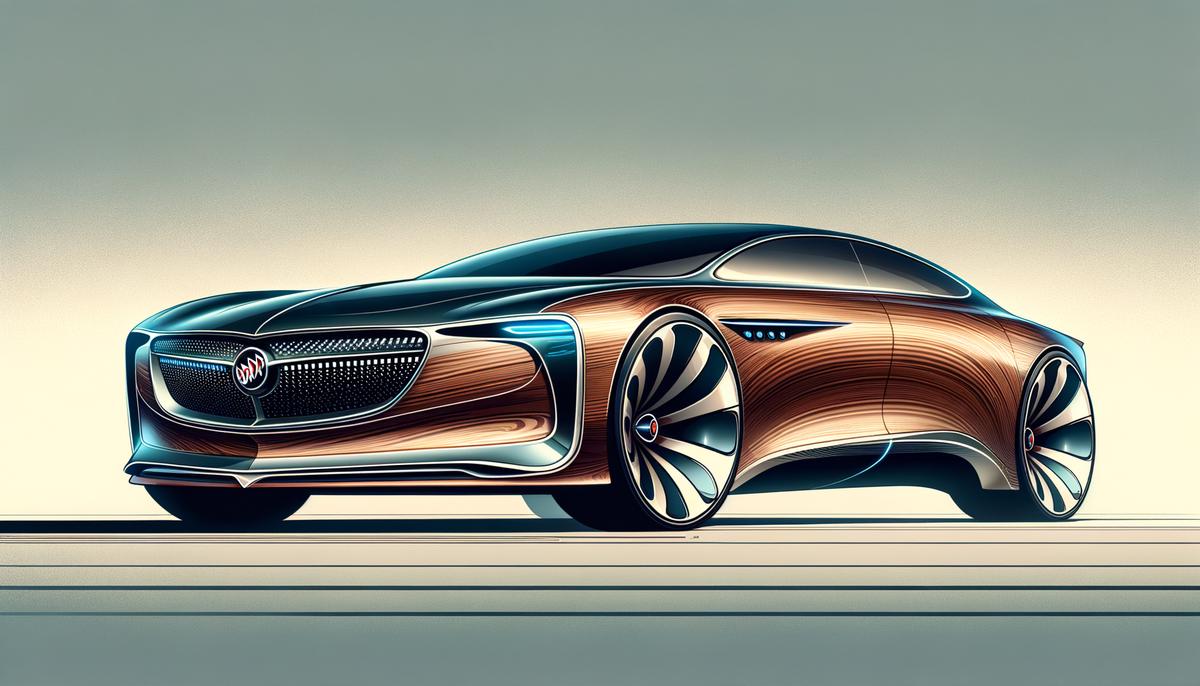
Imagine a modern Roadmaster, resurrected from the vault of automobile history like a phoenix reborn for the streets of today. This isn't just about reproducing an old recipe; it's about concocting a potent brew of innovation and nostalgia, combining the classic essence of the Roadmaster with forward-thinking engineering.
Key Features of a Modern Roadmaster:
- Electric powerhouse with instant torque
- Aerodynamic efficiency without sacrificing presence
- Sustainable interior materials mimicking classic luxury
- Modular seating with touchscreen controls
- Low-slung stance with crossover-beating capacity
To take on this audacious task, you'd first need to tackle the gas-guzzling reputation head-on. Say goodbye to the infamous thirst of yesteryear and hello to a plug-and-play electric powerhouse underneath that classic long roof. The EV drivetrain would pump out peppy instant torque, meeting eco-friendly demands without losing the Roadmaster's signature confident swagger.
Design-wise, this revived Roadmaster would have to strike a balance between modern sophistication and classic DNA. Its lines could embrace aerodynamic efficiency without sacrificing that stand-out, full-bodied presence beloved by its aficionados. Why not throw in some monolithic slabs of satin-finished chrome or maybe even a nod to its woodgrain lineage through digital patterns or innovative materials?
Inside, the Roadmaster 2.0 could reclaim the lost charm of crushed velour but with a sustainable twist—say, vegan leather or recycled fabric options that mimic the lushness of the past. And don't ditch the bench seating; instead, reimagine it with modular rows that adjust at the tap of a touchscreen, magically converting from expansive family configurations to solo adventurer setups.
A modern reincarnation would have to embrace the trend for crossovers whilst sticking it to the status quo with a lowered stance—just enough to kiss the pavement and leave wannabe SUVs in awe. It could exist in the now-sparse niche of low-slung, mega-capacity wagons, cleverly designed to swallow gear, groceries, or gasoline-era nostalgia at a moment's notice.
Above all, this new Roadmaster would need to stand resilient against the whirlwind of change in consumer tastes, inviting buyers with a penchant for individualism to rediscover that wide-open, playful freedom of the past, all while sporting the versatile dynamics of the future.
- Welburn E. Interview on Buick Roadmaster design. Car and Driver. May 2022.
- National Highway Traffic Safety Administration. Fatality Analysis Reporting System (FARS) Encyclopedia. 2022.
- Insurance Institute for Highway Safety. Pedestrian fatalities and SUV boom. Status Report. 2020;55(3).