
Design and Features
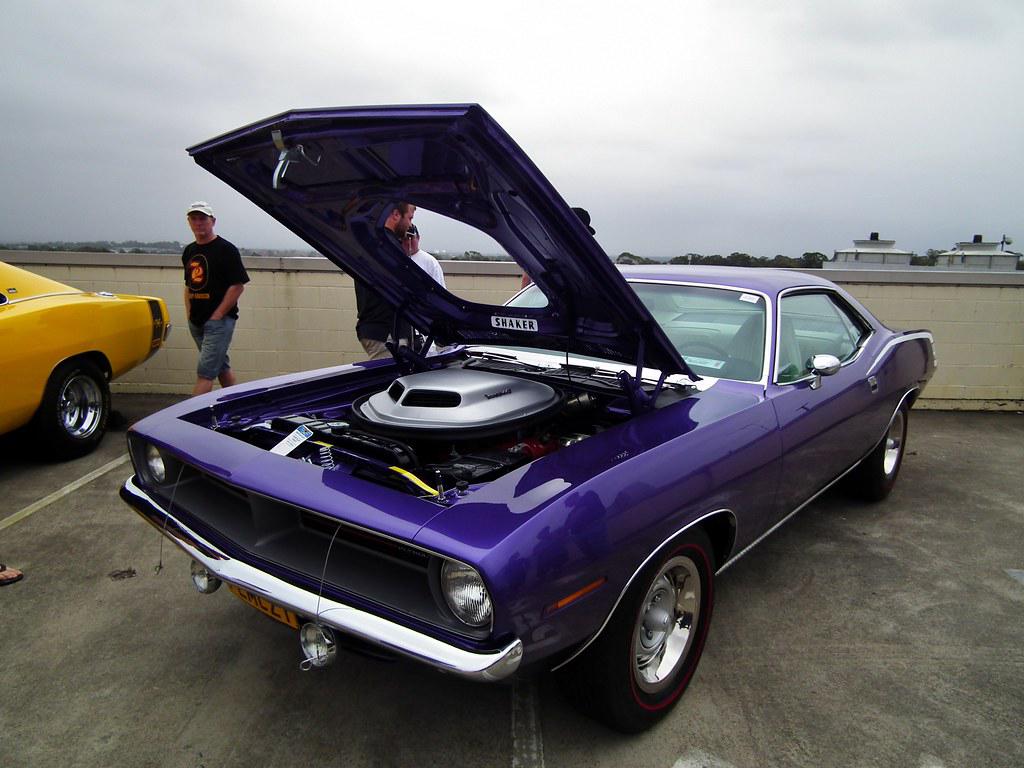
The 1970 Plymouth HEMI 'Cuda is a muscle car masterpiece. Built on the E-Body platform, it boasts sleek long hoods, short decks, and aggressively raked windshields. The famous shaker hood wasn't just for show—it was functional. Controlled by a knob inside the car, the hood's valves could be opened to let fresh air in, allowing the massive 426 HEMI engine to breathe easy.
The 'Cuda wasn't just about looks and go-fast goodies; it was precision-built. It featured:
- Sport suspension
- Beefy anti-sway bars
- Sporty leaf springs
- Torsion bars
- Rally instrument clusters with a 150 MPH speedometer
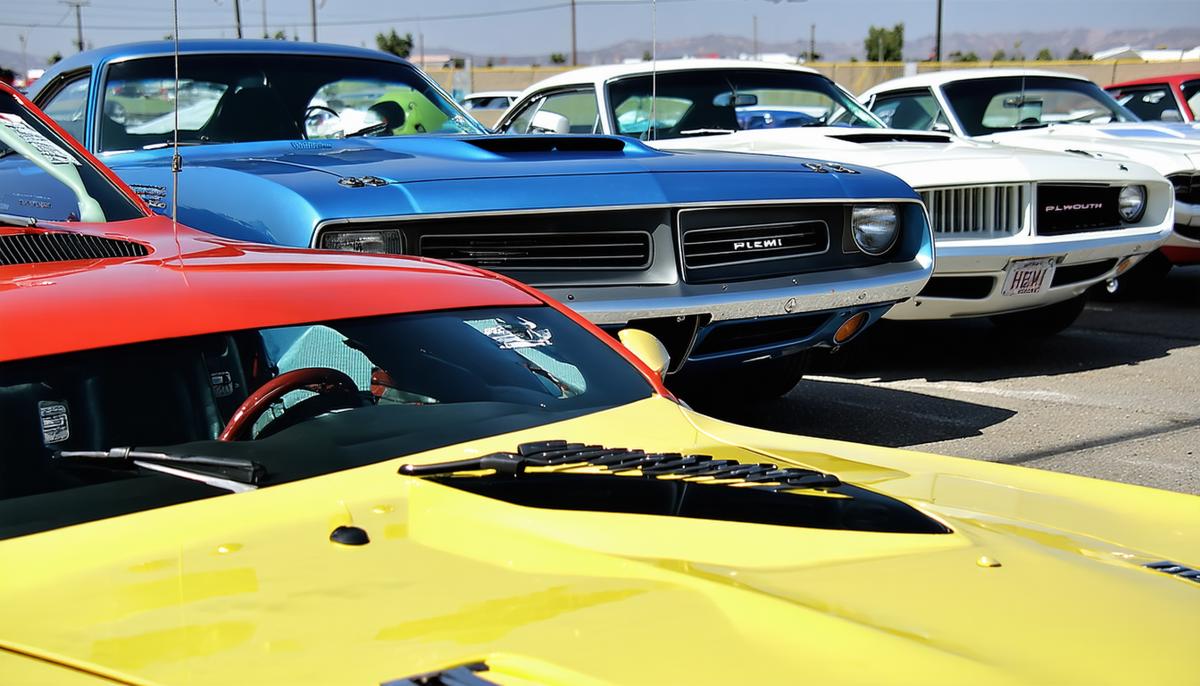
Inside, you had standard bucket seats and vinyl covers, while outside, a rainbow of high-impact colors was available—Lime Light, In-Violet, Curious Yellow, to name a few.
This Barracuda variant came with quirks. The throttle linkage packed a surprise that could send all eight barrels open in a flash. Yet, this wasn't a deterrent. Instead, it was a feature that set pulses racing.
The 'Cuda wasn't just a contender in racing; it was a champion, with numerous accolades in both Trans-Am and French racing circuits. Its design was practical, yet suave, with features like the formidable Dana 60 rear axle with a 4:10 gear ratio, made for any drag race challenge.
Riding in a restored 'Cuda is like stepping into a time machine. Whether it's the growl of the engine, the touch of the leather bucket seats, or the gleam of its brightly painted chassis, the 'Cuda captivates the senses and holds a storied place in automotive history.
Engine and Performance
The 426 HEMI engine is the snarling, tire-shredding soul of the 1970 Plymouth HEMI 'Cuda. This 7.0-liter V8 masterpiece was initially rated at 425 horsepower, but in reality, it was closer to unleashing a mighty 500 horses. Its hemispherical combustion chambers offer an optimized mix of air and fuel, leading to explosive torque and horsepower figures.
Paired with a Dana 60 rear axle with a 4:10 gearing, the 'Cuda becomes a slingshot aimed straight for the horizon. The 4:10 gear ratio delivers exhilarating acceleration that could take the 'Cuda from standstill to light speed in no time.
The HEMI's throttle linkage has a flair for drama. You're cruising along, and suddenly, all eight barrels snap open. It's not just a car responding; it's a beast waking from its slumber. The torque slams you back in your seat and hauls the 'Cuda forward as if gravity itself took a backseat.
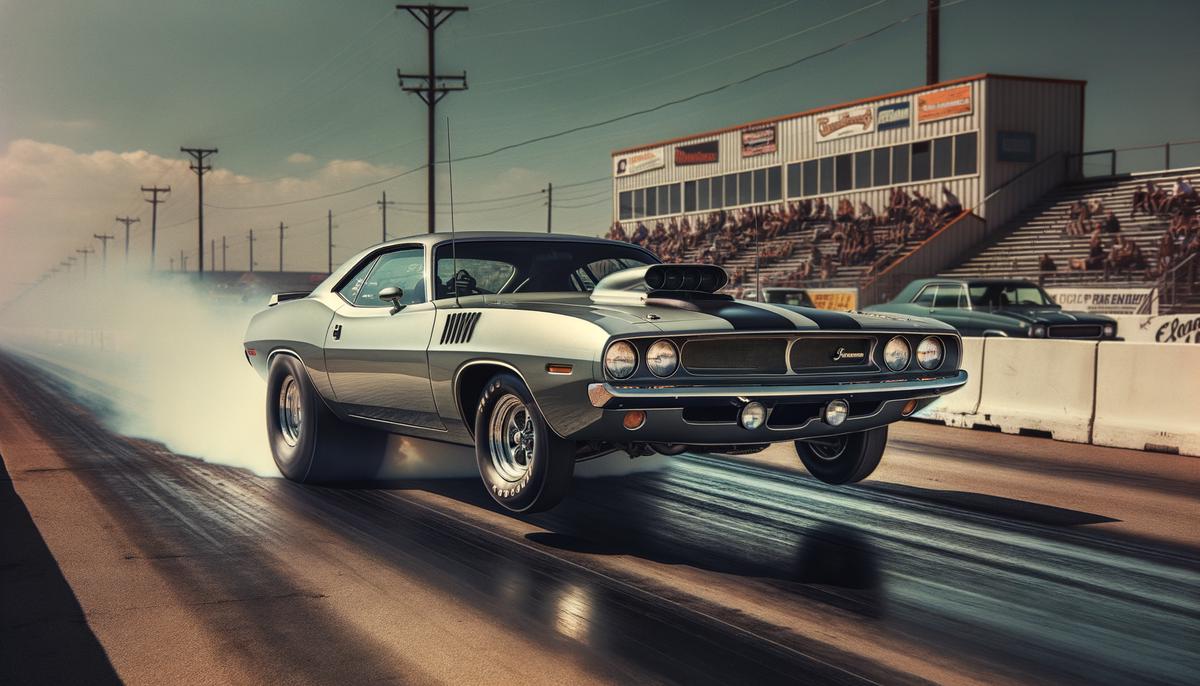
In drag races, the 'Cuda was built to dominate. Straight-out-of-the-factory setups could clock quarter-mile times flirting with the 13-second mark, and with a little tuning, some owners reported dipping into the 11-second range.
Yet, amidst this electrifying symphony of pistons and gears lies a refined character for highway rolling. The HEMI setup paired with its beefy suspensions made it surprisingly road-friendly too—especially considering the power churning beneath that shaker hood.

Rarity and Collectibility
The 1970 Plymouth HEMI 'Cuda is the crown jewel in any car enthusiast's collection. Only 368 hardtop models left the factory with the HEMI engine paired with an automatic transmission. Each vehicle was practically custom-made, with options like the Shaker Hood, the Dana 60 rear axle with a 4:10 gear ratio, and a rainbow of vibrant colors.
From its leather buckets to the distinct Rallye instrument cluster, it wasn't just another car off the assembly line. You could have your HEMI 'Cuda cake and eat it too, with choices for added features that included:
- Vinyl tops
- High-impact paint jobs
- Famed pistol-grip shifters
Today, the 'Cuda has evolved from a street brawler to a collector's dream. If you're lucky enough to get your hands on one, you're holding a piece of history. Restaurateurs have gone to great lengths to ensure these beasts are near-mint, showcasing their once-unbridled power and style to new generations.
The price tag of a '70 HEMI 'Cuda can shoot up into the millions, especially for models maintaining their original specs and those with high-impact colors and uber-rare options.
Cars like Craig Jackson's meticulously restored 'Cuda, one of only 14 convertibles produced to U.S. specs, are valued at several million dollars.
For die-hard enthusiasts, the 'Cuda isn't just another vintage beauty; it's an irreplaceable icon of American automotive excellence, with every roar of its engine echoing a legacy of speed, style, and unyielding passion.
Restoration and Condition
Restoring a 1970 Plymouth HEMI 'Cuda is like bringing a legend back to life. Using original parts is non-negotiable in restoring these beauties. We're talking about NOS parts or their perfectly exacting reproductions. Finding authentic pieces can be like searching for mythical treasure, but once discovered, these parts bring the restoration to an untouchable level of authenticity.
The exterior demands a deep, vibrant coat of period-accurate colors like Rally Red or Moulin Rouge. These are more than mere paint jobs; they are statements of 'Cuda's flamboyant spirit. The undercarriage is scrubbed clean and coated, polished until it's as smooth and flawless as the day it rolled off the line.
For the interior, attention to detail is key. Refurbishing includes:
- Vinyl bucket seats
- Original dashboards
- Rallye instrument cluster
- Fresh carpeting and headliners
- Original knobs
- Gleaming gauges
What sets a refined restoration apart is its unwavering devotion to historical accuracy. Each detail acts like a brushstroke, painting a canvas that's as factually accurate as it is alluring to behold. The use of documented specs and reference materials means the restored 'Cuda isn't just any vehicle—it's a crafted homage to the bold engineering and audacious designs of yesteryear.
When you fire up a restored HEMI 'Cuda, feel the growl of its reworked powertrain, and take in the silhouette of its perfectly rendered shape, you are living through an experience that respects and revives heritage. It's a rolling salute to the legends of the past—one that marries perfection with preservation in the best possible automotive fashion.

Historical Significance
History's often written by the winners, and in the muscle car world, the 1970 Plymouth HEMI 'Cuda stands tall as a top dog. It roared onto the scene when American automakers were duking it out for performance supremacy, and boy, did the 'Cuda come out swinging. This beast didn't just join the party; it owned it, leaving its mark on automotive history like a burnout on fresh asphalt.
The '60s and '70s were a wild ride of massive engines, insane horsepower, and designs that screamed "look at me!" The 'Cuda wasn't just along for the ride; it was leading the pack. Slapping that 426 HEMI under the hood was like bringing a bazooka to a knife fight. It turned heads, dropped jaws, and showed the world what pure, unfiltered muscle could do.
Track Dominance
On the track, the 'Cuda was a force of nature. If you wanted to smoke the competition in those days, the HEMI was your golden ticket. Drag strips across the country felt the earth shake when this bad boy lined up. It wasn't just fast; it was the benchmark others scrambled to beat. Racing legends knew this combo of power and precision could shave those crucial fractions off their quarter-mile times. And let's not forget its showing in Trans-Am events – proving Mopar muscle could turn corners, too.
"Nobody handed this engine its reputation. It earned it."
Enduring Legacy
The legacy of the '70 HEMI 'Cuda lives on like the echoes of its engine. It's more than a car; it's an attitude – a middle finger to the establishment and a nod to every gearhead who's ever dreamed of pushing limits. It became an icon, not just of its time, but for generations of speed freaks and horsepower junkies.
Today, the HEMI 'Cuda's influence goes way beyond car shows and auctions. It's in the history books, fueling debates about the greatest rides ever built. It's the yardstick for high performance, a reminder of when anything seemed possible with enough cubic inches and guts.
This isn't just another footnote in history – it's living proof that the muscle car era was about creating legends. It's about unforgettable tales of innovation, power, and speed that keep inspiring us to push harder, go faster, and never lift off the gas.
The 1970 Plymouth HEMI 'Cuda stands as a testament to the muscle car era, embodying the raw power and spirit that defined a generation. Its legendary status and performance prowess continue to captivate enthusiasts, ensuring its place in automotive history.
Key Features:
- Engine: 426 CID HEMI V8, conservatively rated at 425 bhp
- Transmission: TorqueFlite three-speed automatic or four-speed manual with Hurst shifter
- Performance: Quarter-mile times under 11 seconds straight from the factory
- Rarity: Only 14 convertibles built to U.S. specs in 1970
- Collectibility: Current value of several million dollars for pristine examples
The HEMI 'Cuda's impact extends beyond its impressive specifications. It represents an era of automotive innovation and unbridled performance that continues to inspire enthusiasts and collectors alike. As Craig Jackson's collection demonstrates, these rare machines are not just cars, but pieces of American automotive history, cherished and preserved for future generations.