
The Oldsmobile Cutlass stands as a testament to a bygone era of American automotive innovation, capturing the spirit of a time when cars were more than just machines—they were companions on life's journey. This story weaves through the decades, highlighting the Cutlass's evolution from a symbol of muscle car glory to a beloved icon in the hearts of enthusiasts.
Origins and Evolution
The Oldsmobile Cutlass began its journey in 1961, born out of Oldsmobile's desire to bridge the gap between full-size luxury and compact practicality. In 1964, the 4-4-2 emerged, a hotshot with a rear anti-roll bar that left rival manufacturers scratching their heads. This Cutlass championed balance when straight-line velocity was the American dream.
In the 1970s muscle car era, the Cutlass waved its flag. The '67 4-4-2 packed a hefty 400-cubic-inch engine—a powerhouse that could spill its vigor across the asphalt. It balanced the exuberance of a hot rod with the dignity of a weekday driver.
The 1976 Cutlass Supreme became a darling of the lowrider scene. Joe Salazar's story showcases the Cutlass's magnetic pull, from garage dreaming to the Denver Car Club. Each part added and every mile driven was a signature on its ever-expanding mosaic.
In the 1980s and 1990s, the Cutlass Ciera focused on mass appeal and versatility. Different models catered to various tastes—from nimble coupes to family-friendly wagons. Advanced for its era, the Ciera was a reliable partner quietly clocking miles with pride.
The 1988-1997 Cutlass Supreme sported aesthetics sporty enough to spark the imagination of racers and custom enthusiasts. A 1989 model even took a leap into the racing circuit, promising a thrilling experience behind the wheel.
Throughout its various avatars, the Oldsmobile Cutlass was a masterclass in adaptability. Whether basking in muscle car glory or loyal family service, it engraved its story onto the roads it traveled—proof that some cars aren't just driven; they're lived in.

Iconic Models and Features
Let's kick things off with the fire-breathing 4-4-2, a machine that hit the scene in the '60s like an adrenaline-fueled symphony. The name wasn't just about speed; it was about anticipation and excitement. The torque-rich 400 cubic-inch V8 engine summoned petrol-head fantasies with every press of the pedal. The 4-4-2 redefined the rules of engagement in the muscle car arena, standing as a sentinel of smart performance.
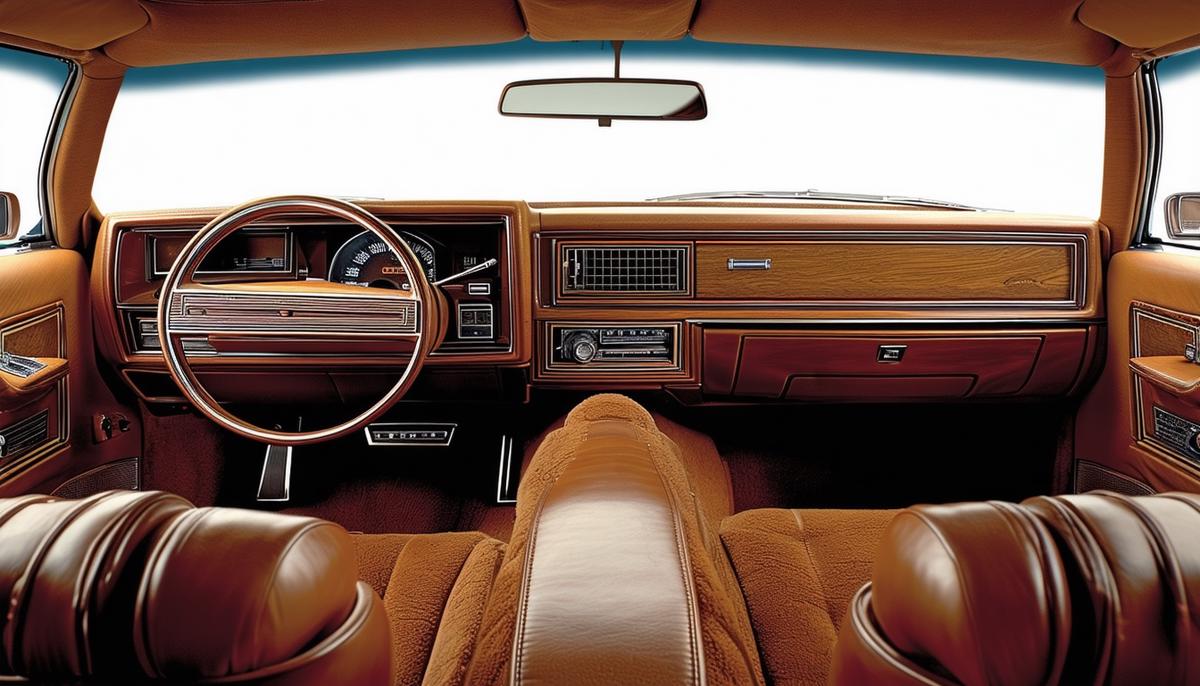
The Cutlass Supreme became a symbol of individuality. With sculpted body lines and a variety of engine options, it catered to various driving fantasies. The Supreme was about life's luxuries, too—plush interiors, advanced sound systems, and head-turning style. Paint jobs were pieces of art, with colors so rich they seemed to bend light itself.
The Cutlass Ciera, the unsung hero in the family lineage, embodied versatility without losing charm. It didn't have the ferocity of the 4-4-2 or the swagger of the Supreme, but it had a quiet confidence all its own. Each year, models embraced tweaks in performance and practicality, proving that you didn't need to shout to be heard.
The 1988-1997 Cutlass Supreme was the dark horse that stole the show. Sharp, aerodynamic lines and a wink to the future told tales promising pace and grace. Not as celebrated as its ancestors, it still carved out a legacy, leaving rubber and resonating hearts in its wake.
At the core, each Cutlass model was imbued with unique DNA—engine options that sang and danced the fine line between innovation and satisfaction, design elements that defied dated aesthetics, and performance capabilities magnetizing enough to pull any car lover into its orbit.
Cultural Impact and Legacy
The Oldsmobile Cutlass left an indelible imprint on American car culture. It wasn't just a set of wheels; it was a ticket to a bygone era where horsepower equaled freedom, and the roar of an engine harmonized with rock 'n' roll chords cracking from newly-minted cassette decks.
Through the swinging '60s, the Cutlass 4-4-2 led the charge in the muscle car golden age. Its presence bled into popular media—a metal embodiment of the American dream in high-definition, pounding pavement in gritty cop dramas and making cameo appearances in films where heroes sped off into sunsets.
In the '70s, the Cutlass Supreme became a symbol of style and swagger. High school kids slid behind their steering wheels dreaming of prom night arrivals, while lowrider enthusiasts gave the Cutlass a new lease on life. Custom hydraulics danced to the rhythm of urban music scenes, and paint schemes exploded in vibrant rebellion against the conventional.
The Cutlass's cultural contribution was about bringing people together. It was club meets under orange sodium floodlights, cars outlined in gleaming chrome, and friendships forged over a shared love for roaring pistons and squealing tires. Weekends lost to marathon engine swaps in driveways marked the Cutlass not just as a car, but as a lifestyle symbol.
Even in the '80s and '90s, the Cutlass remained a steady hand on the wheel of American culture. It was family road trips packed with laughter, or the reliable chariot of the daily commuter. You'd catch it in the background of TV shows, a quiet guard to evolving stories, but nonetheless a constant presence.
The Oldsmobile Cutlass transcended basic utility and morphed into a canvas for expression. It became a touchstone for personal and shared experiences—a machine that spoke to individuality while connecting tribes of car enthusiasts through time. Today, its legacy is filled with nostalgia for those whose lives it touched, and a heartbeat of inspiration for those driven by the mysteries the open road still holds.

Challenges and Decline
The Oldsmobile Cutlass, once the darling of the American automotive scene, began to fade from view like a sunset over Route 66. Its decline was a cautionary tale scripted by fierce market competition and shifting consumer preferences, as well as drama within General Motors itself.
As the Cutlass cruised through its heyday, the automotive landscape morphed around it. The muscle cars of yore were losing steam in the 1980s, and new, sleek imports from Japan and Europe were revving onto the scene. These compact challengers boasted efficiency married with a flair that American manufacturers, including Oldsmobile, found increasingly hard to match.
Consumer preferences shifted like desert sands. The gas-guzzling bravado of the past was eclipsed by a newfound practicality and a desire for innovation. Buyers wanted more sophistication and less brute strength – they desired economy, reliability, and advanced technology over the brawny V8 engines that the Cutlass had so proudly flaunted.
Inside General Motors, Oldsmobile was caught in a tug of war between tradition and progress. Too often, it was sidelined, starved of investments that went to more promising siblings. Decisions made far removed from the street pulse led to stagnation of design and innovation, stifling the Cutlass's ability to adapt to growing trends.
The extensive GM family meant Cutlass models often competed not only with non-GM vehicles but with cousins from Chevrolet to Cadillac. The brand's identity suffered in the scramble to establish distinctive market niches and avoid brand cannibalization. Slowly but surely, Oldsmobile's relevance dulled, losing its unique offering among the cornucopia of choices.
The decision to discontinue the Cutlass nameplate in the late '90s was a band-aid torn too quickly off the living skin of automotive enthusiasts worldwide. Yet it was also a fitting full-stop to a vibrant chapter filled with roars, racing hearts, and the poignant echo of a bygone era's rumble.
The departure of the Cutlass was a mix of external evolution and internal constraint—a ballroom dance with modernity that found Oldsmobile struggling to keep time with the tempo. Despite its fall from grace, its enduring legacy casts a shadow that those who rode shotgun can still find conjuring the echoes of an era when the road was wide open, ripe to be conquered by a Cutlass.

Restoration and Enthusiast Community
Let's burn rubber into the thriving scene of Oldsmobile Cutlass restoration, where passion meets precision. While the Cutlass has long since rolled off the assembly line, it's the fiery zeal of dedicated gearheads that keeps its heartbeat alive and roaring.
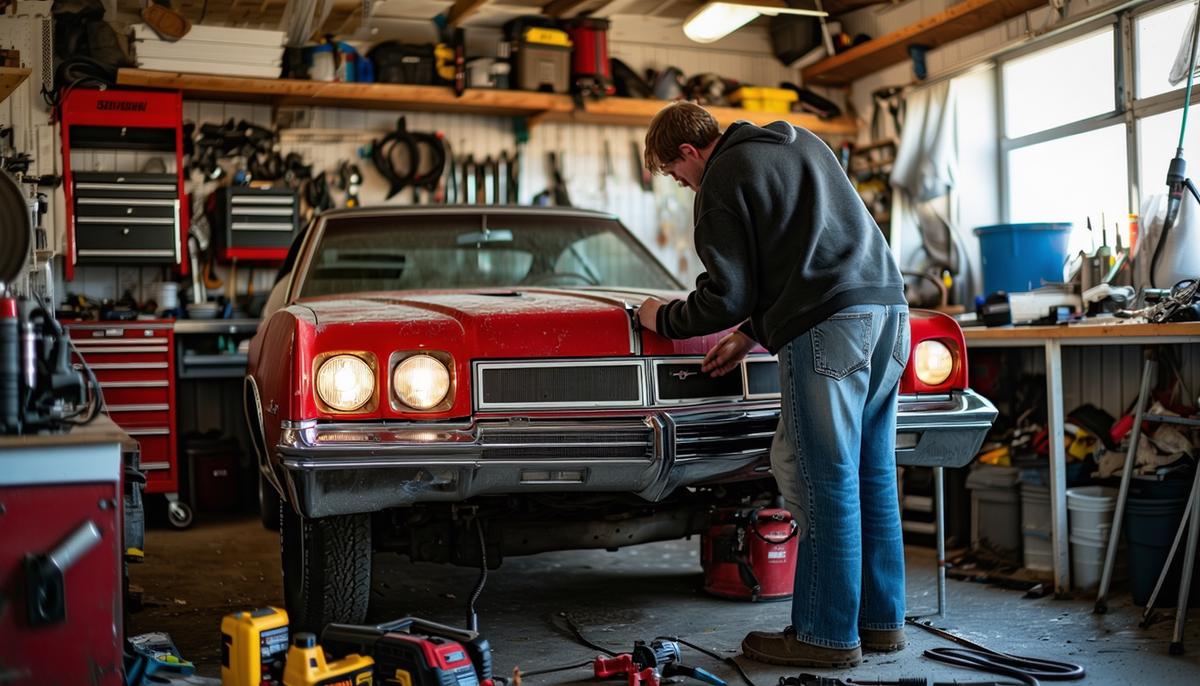
In garages across America, Cutlass restoration projects abound. Each frame-off restoration is a labor of love, transforming rust-ridden relics into show-stopping masterpieces. Enthusiasts blend original parts with new tech, creating a sweet mix of authenticity and modern comfort.
Car shows are where Cutlass lovers strut their stuff. Events like the Oldsmobile Homecoming in Lansing, Michigan, draw die-hards from all over to celebrate these iconic rides. The air buzzes with tales of restoration triumphs and road trip memories as owners proudly show off their four-wheeled masterpieces.
Clubs like the Cutlass Cruiser Club and the Oldsmobile Club of America are where the real action happens. Members swap tips on:
- Sourcing rare parts
- Restoring dashboard gauges
- Troubleshooting engine issues
Take Tom Hilliard from Texas, who spent years bringing a '69 Cutlass Supreme back to life. For him, each weekend in the garage wasn't just about wrenching – it was about keeping his old man's love for classic cars alive.
Then there are the mad scientists of the Cutlass world – the customizers. These guys swap out stock parts for supercharged V8s and trick out interiors with modern tech. They're making sure the Cutlass isn't just some museum piece, but a living, breathing beast that can still smoke the tires on today's streets.
In these communities, the Cutlass finds new life. It's in the thrill of scoring that perfect emblem at a swap meet, in the victory of hearing an engine roar back to life, in the late-night wrenching sessions with buddies. As these gear-heads keep the pedal to the metal, the future looks bright for the Oldsmobile Cutlass, keeping its legacy burning rubber for years to come.
The Oldsmobile Cutlass leaves an indelible mark on automotive history, celebrated for its adaptability and enduring appeal. It remains a cherished emblem of freedom and expression, forever etched in the memories of those who experienced its journey.