
Origins and Evolution
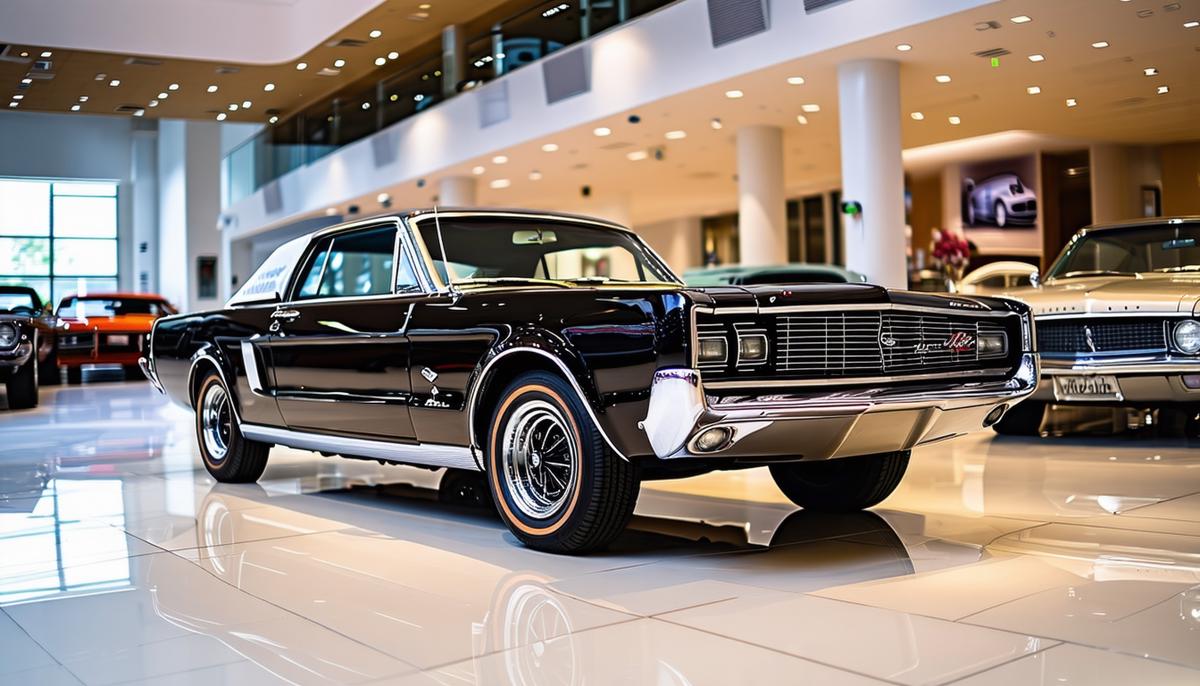
The Mercury Cougar roared into the spotlight in 1967, aiming for the sweet spot between the aggressive Mustang and the luxurious Thunderbird. Built on the Mustang platform but with a longer wheelbase, the Cougar sported unique styling like hideaway headlights and sequential turn signals. It whispered comfort and sophistication to an older crowd who wanted muscle car action without the flashy kiddo vibe.
Under the hood, Cougars packed a punch. The 1967 model came with a standard 289 cubic inch V8, with later options including the mighty 427 and 428 Cobra Jet engines. The Cougar even dipped its paws into racing, taking on Trans-Am ambitions.
As the ’70s rolled in, the Cougar’s priorities shifted. The muscle toned down, replaced by a focus on luxury. It morphed from a two-door sprinter to sedans and wagons, cruising boulevards instead of drag strips. Over the decades, the Cougar tried on many faces – from the refined XR-7 to the burly Eliminator – before finally bowing out in the early 2000s as a compact coupe.
Throughout its journey, the Cougar maintained a distinct character. It wasn’t just another Ford family member; it was the sign of the cat that knew exactly where it prowled.
Performance and Features
Pop the hood of a Mercury Cougar, and you’re in for a wild ride. This cat packed some serious muscle, starting with that robust 289 cubic inch V8 in the early models. But Mercury didn’t stop there. They cranked it up with the 390 V8 and the beastly 428 Cobra Jet, turning the Cougar into a drag strip monster that’d make any gearhead drool.
On the road, the Cougar’s longer wheelbase gave it a more balanced ride than its Mustang cousin. It wasn’t just a straight-line hero; this cat could dance in the twisties too. And let’s not forget those hideaway headlights and sequential turn signals – pure style that’d make heads turn faster than the Cougar could hit 60.
Inside, it was all about luxury, especially in the XR-7 models. Plush interiors and fancy gauges made you feel like a million bucks, whether you were cruising downtown or tearing up the track. The Cougar walked that fine line between comfort and raw power, proving you could have your cake and eat it too.
All these goodies combined to make the Cougar more than just a badge-engineered Mustang. It was its own beast, charming both the young guns and the refined crowd. For years, this cat was the chameleon of the automotive world, adapting to whatever its drivers wanted – a true testament to Mercury’s genius.

Cultural Impact and Legacy
The Mercury Cougar wasn’t just another pretty face in the crowd; it was the cool cat that stole the show. It injected Mercury’s lineup with a dose of rock ‘n’ roll attitude, offering luxury that whispered class without shouting about it. This cat had claws in the racing world too, taking on the likes of Mustangs, Camaros, and Barracudas in the Trans Am series with drivers like Dan Gurney and Parnelli Jones behind the wheel.
Even today, Cougar fans are a tight-knit bunch, united by their love for a car that dared to be different. At classic car meets, a well-kept Cougar still turns heads and gets engines revving. It’s a reminder of a time when style and performance walked hand in paw, teaching car lovers that you don’t have to choose between roaring and purring – you can do both with grace.
In today’s sea of lookalike sedans, the Cougar’s legacy stands out more than ever. It’s proof that you can blend muscle and sophistication without losing your edge. That’s a lesson that still holds true, whether you’re cruising down memory lane or dreaming of the next big thing in automotive design.

Market Position and Sales
The Mercury Cougar pounced onto the auto scene like a big cat on the hunt. It wasn’t gunning for its cousin Mustang’s crown, but rather carving out its own territory. The Cougar’s target? Folks who wanted their muscle wrapped in a bit of luxury – and boy, did they bite.
In its debut year, the Cougar sold over 150,000 units, proving there was plenty of room for a sportier luxury ride. It hit the sweet spot for a more mature crowd willing to shell out extra cash for that perfect blend of growl and grace. The advertising folks nailed it, painting the Cougar as a refined beast that could turn heads at the country club or the drag strip.
But as the ’70s rolled in, the market shifted. Muscle cars lost their mojo, and practical rides became the new hotness. The Cougar tried to keep up, shape-shifting from muscle car to luxury cruiser, even sprouting sedan and wagon variants. But in trying to be everything to everyone, it sometimes lost sight of what made it special.
Head-to-head with the Mustang, the Cougar couldn’t rely on shared DNA alone. While the ‘Stang kept its youthful edge, the Cougar’s evolving identity left some fans scratching their heads. By the late ’80s and ’90s, it was struggling against not just internal competition, but also those slick imports redefining what drivers wanted.
The Cougar’s last hurrah in the early 2000s as a sport compact was a bold move, but it couldn’t quite recapture the magic. In the end, the Cougar’s journey shows that adapting to a changing market is tough, but losing your identity is tougher. Still, for those who remember its glory days, the Cougar will always be the cat’s meow – a reminder that sometimes, it’s okay to mix a little luxury with your tire smoke.

Collector’s Perspective
For gearheads itching to build a killer classic car collection, the Mercury Cougar is pure gold. It’s a high-octane cocktail of rarity, slick design, and raw power that gets collectors’ hearts racing.
Scarcity is the name of the game here. While Mustangs were churned out like hotcakes, Cougars played hard to get. Each generation was a limited run, turning these bad boys into automotive treasures. Not many garages can brag about housing a classic Cougar, and that’s what makes ’em so damn special.
The looks? Absolutely drool-worthy. That original Cougar design—fancy yet muscular—is in a league of its own. Those hideaway headlights and sequential taillights aren’t just for show; they’re the calling cards of an era when cars were built with soul. It’s why collectors are chomping at the bit to keep these beauties alive.
And let’s talk performance, ’cause that’s where the Cougar really struts its stuff. Packing beefy V8s, these cats were born to rule the road. Whether it’s the growl of a 390 or the roar of a 427, Cougars didn’t just purr—they howled. For today’s collectors, it’s a chance to relive the glory days on modern asphalt.
Now, let’s get down to brass tacks. Some Cougars are worth their weight in gold. The ’67-’68 GT-Es with those rare 427 side-oilers? Automotive royalty. And don’t forget the Eliminator packages from ’69 and ’70—pure muscle car madness. Convertibles? They’re the cream of the crop, mixing top-down thrills with Cougar’s signature style.
What makes ’em so valuable?
- It’s not just nostalgia—it’s about scoring the perfect mix of history, looks, and punch.
- Condition and originality are king.
- Numbers-matching Cougars fetch top dollar, ’cause in this game, keeping it real pays off.
Snagging a Mercury Cougar isn’t just buying a car—it’s grabbing a piece of American muscle history. It’s about firing up an engine that still echoes with yesterday’s thunder. Owning a Cougar means having a four-wheeled story that spans generations—a tale of muscle, class, and feline grace, ready to tear up the tarmac once more.

The Mercury Cougar shows how to mix muscle with style, carving its own path in automotive history. It proves that true greatness on wheels comes from balancing raw power with a touch of class, leaving an indelible mark on car culture that still revs up enthusiasts today.