
Evolution of the Ford Fairlane
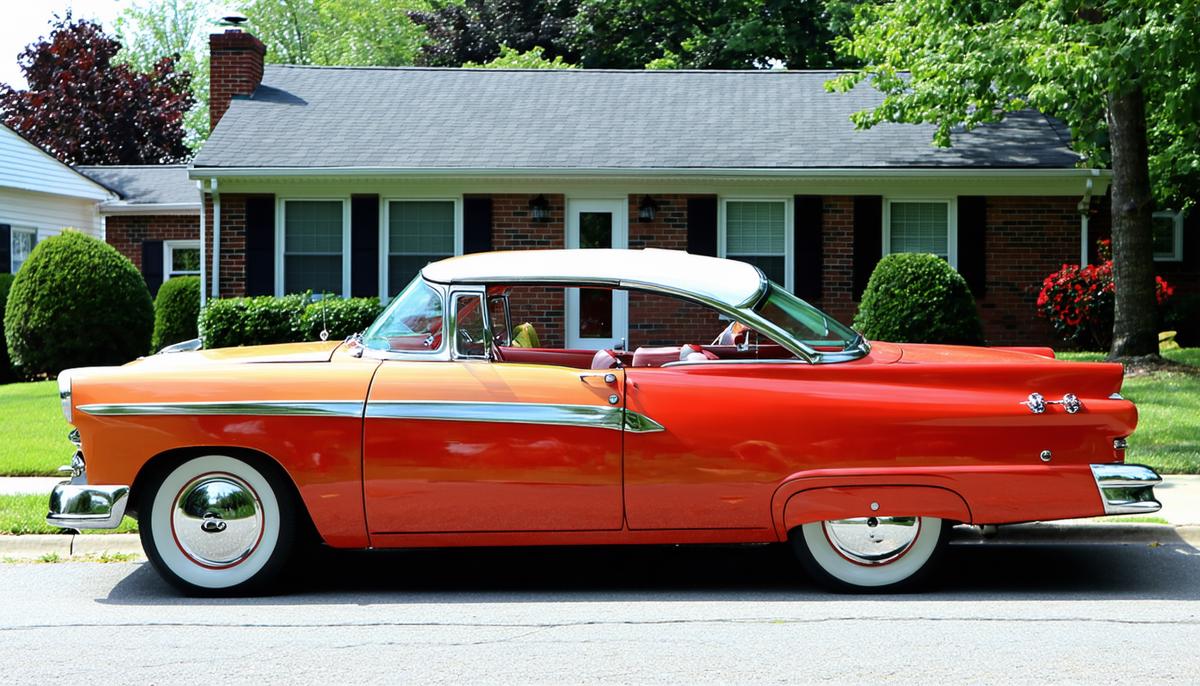
Born in 1955, the Ford Fairlane zoomed onto the scene to replace the Crestline. Named after Henry Ford's estate, this car was a statement. Six body styles strutted their stuff, from two-door sedans to station wagons, flaunting the Fairlane stripe. Power-wise, the Fairlane offered engines like the rowdy Thunderbird V8, competing against the Chevrolet Bel Air.
1957 brought a wider, sleeker design with tailfins. Ford outsold Chevy that year, proving its popularity. The 500 Skyliner convertible introduced a folding roof that tucked into the trunk at the push of a button.
As the 50s clamored for more power, the Galaxie arrived in 1959 as Fairlane's more flamboyant sibling. The 60s brought changes too, with less chrome and a more monochrome look. The unibody construction gave it the strength of the Falcon with improved handling. By 1964, Ford crafted the Fairlane Thunderbolt, a beast designed for drag racing.
By the mid-60s, the Fairlane grew longer and heavier. Luxury came in the form of the Torino trim. New engines kept the Fairlane competitive in the performance race.
1970 marked the Fairlane's last year, as it made way for the Torino to take center stage. While its production ended, the Fairlane's legacy lives on among car enthusiasts.
Performance and Features
Let's get our hands greasy with the performance heart of the Ford Fairlane. This wasn't just any family car—it was a road-bred warrior ready to flex its muscles.
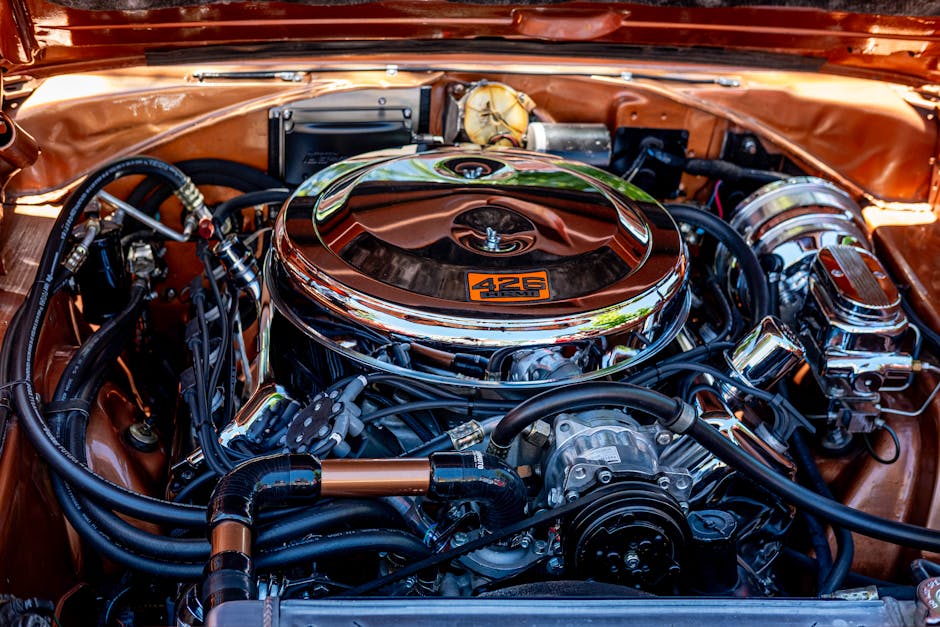
The early Fairlane models flaunted engines like the Thunderbird V8, showcasing impressive horsepower. By 1963, Ford added a sizzling 289-cubic inch V8 that could propel the Fairlane to 60 mph in less than nine seconds. Not bad for its time!
1964 brought the Thunderbolt version—a drag racer's dream. This beast packed a 427-cubic inch V8 engine, specifically designed to conquer the NHRA Super Stock drag racing strip. It clocked 17.5 seconds in the quarter-mile before rule changes put the brakes on its production.
The Fairlane's unibody construction offered a smoother ride than you'd expect. While the suspension was a bit soft, it gripped the road like a champ—maybe not with finesse, but definitely with tenacity.
Cruising into the late 60s, the Fairlane kept things exciting with the new 351 V8. Though not a speed demon, this version offered decent efficiency for the era, even if fuel economy wasn't its strong suit. But who needs fuel economy when you've got that deep V8 growl?
The Fairlane struck a balance between performance and features that kept enthusiasts coming back for more. Whether you caught Fairlane fever back in the day or you're just discovering its allure now, remember: this car was built with spirit, style, and a burning desire for the fast lane.
Market Impact and Competition
The Ford Fairlane carved out its niche in the fiercely competitive automotive arena, facing off against its main rival, the Chevrolet Bel Air. When the compact Falcon hit the roads in 1959, it answered Chevy's Corvair with front-engine reliability and a traditional look. This strategy paid off, with Falcons outselling Corvairs by a wide margin.
By 1962, the Fairlane stepped up as a true midsize contender, shaking up the market with a no-nonsense approach that made it a suburban favorite. Ford engineers opted for practicality and style over radical design—a winning combination that left the Chevy Chevelle in the dust.
In '63, the Fairlane lineup expanded to nine models, including a swaggering new Sports Coupe. The angled fins and Thunderbird-inspired hardtop were just what Fairlane needed to outshine competitors. Throw in those sizzling V8s, and the Fairlane wasn't just cruising—it was challenging the status quo!
As the decade closed, the Fairlane faced new competition from sportier models like the Torino and Chevelle. But Ford leveraged the Fairlane's reputation as a rock-solid alternative with a proven track record. While competitors like Corvair stumbled amid safety concerns, the Fairlane sailed on, thanks to its conscientious design.
The Fairlane's impact rippled across Ford's lineup, paving the way for future mid-size models. Even as it bowed out in 1970, its influence lived on in the Torino and beyond. The Fairlane didn't just compete—it rewrote the rules of the road, cementing Ford's faith in striking the perfect balance between performance and practicality.
Cultural and Historical Significance
The Ford Fairlane is more than just a car; it's an emblem of American automotive culture. It marked a turning point in how America viewed the mid-size family car—solid, reliable, and desirable.
As highways sprawled across the U.S. in the post-war era, the Fairlane was at the heart of the automotive revolution. It became a symbol of freedom and personal expression, defining the 1950s and '60s. The Fairlane helped shape those decades, appearing in movies, music, and television, embodying not just a set of wheels, but a cultural zeitgeist.
Its design blended chrome extravagance with well-appointed interiors. The Fairlane's name carried the weight of Ford's legacy, echoing Henry Ford's personal estate. This mix of familiarity and aspiration made folks dream of owning one.
The Fairlane's influence spilled over into design trends, altering the DNA of mid-size cars. Its stunning elements—wraparound chrome, sleek lines, and fins—were borrowed by other manufacturers scrambling to catch up. Ford had cracked the code, and competitors wanted a piece of that magic.
In the classic car community, the Fairlane is a symbol of a time when cars were crafted, not just assembled. Collectors swear by it, restorers live for it, and enthusiasts immortalize it. There's something timeless about that elongated silhouette and the roar of its engine.
The Fairlane's significance helped steer the future of car design. It taught automakers and buyers to aim for balance, crafting vehicles that were both practical and desirable. Its legacy continues to captivate car fanatics, steering enthusiasts and dreamers alike toward the open road with the promise of freedom and flair.
The Ford Fairlane wasn't just a car; it was a movement that defined an era. Its legacy continues to inspire and captivate, reminding us of a time when cars were crafted with spirit and style. As we look back, the Fairlane stands as a testament to innovation and the thrill of the open road.
- Wren W. The History of the Ford Fairlane. Autoweek. 2022.
- Ford Fairlane: A Complete History. Ford Authority. 2020.
- Niedermeyer P. Curbside Classic: 1969 Ford Fairlane 500 – The Fairlane Hits Its Stride. Curbside Classic. 2016.