
Design and Styling
The 1970 Datsun 240Z took design cues from iconic sports cars like the Jaguar E-Type, Porsche 911, and Ferrari 275 GTB. It strutted a long hood and short tail, echoing the era's chic silhouette. Squint, and you might catch a whisper of the E-Type's grace, a nod to Porsche's curves, and a wink at Ferrari swagger.
Its exterior was crisp and clean, hitting all the right notes without screaming for attention. In sunlit Californian streets or moody rain, it outshone rivals with dainty features—not disjointed like a Triumph GT6 or austere like the MGC. Wheel upgrades promised striking looks and a secure footing, with suspension as flexible yet firm as a pro gymnast.
The interior greeted you with simplicity and style. Black vinyl dominated the cabin, lending it a tasteful Corvette vibe. Slim three-spoke steering wheels and sunken gauges sat snug atop the dashboard, eager for a winding road adventure. Drivers found comfort like slipping into a favorite pair of jeans, whether barking down straights or cruising languidly.
Adjustable backrests made the driving experience custom-fit. Simulated wood on the steering wheel and gearshift knob begged your hands to linger. Controls and dials were thoughtfully placed, poised like a sprinter at the starting gun.
Even as mass production took over, the 240Z's materials and build quality gave it character. It offered plenty of storage behind those two seats—enough for hefty suitcases or a tent for an impromptu road trip. Sprightly for a sports car yet versatile like a sedan, it surprised with its practicality.
This sports car aimed higher, hitting performance notes that made even seasoned European competitors take notice. It weaved through curves and sliced straights like a pro, reveling in attention it never asked for but always received. The 240Z wasn't just a car; it was a movement in design, propelling itself into automotive history.

Performance and Mechanics
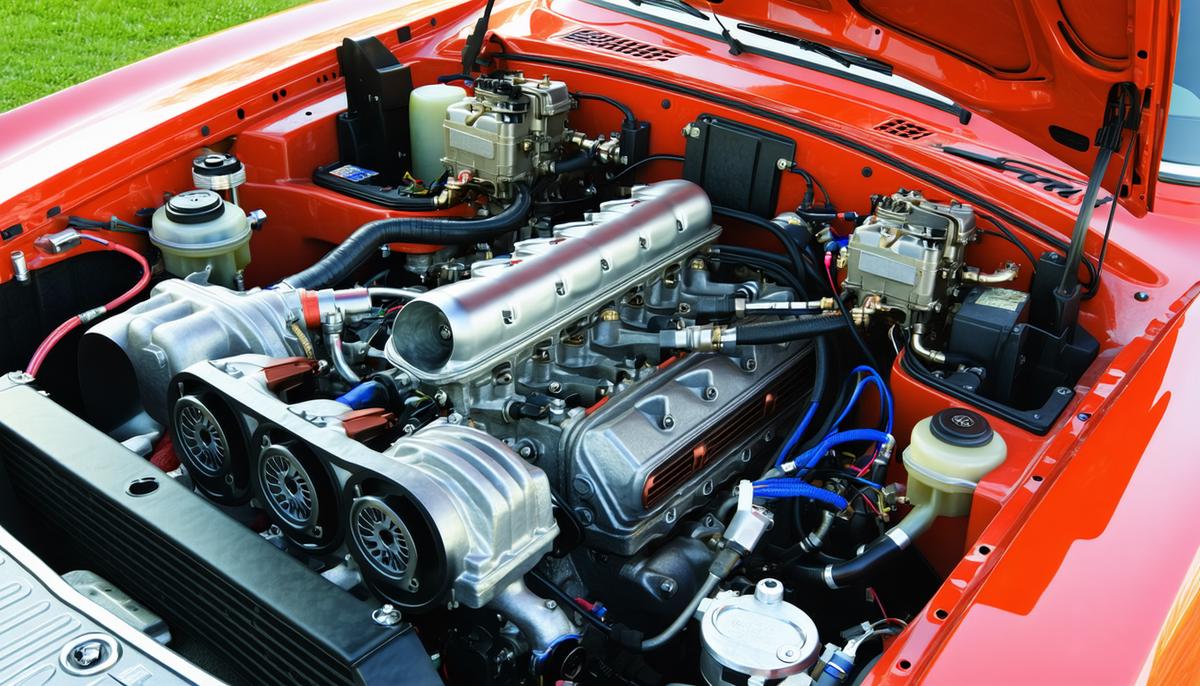
Under the hood, the 1970 Datsun 240Z packed a 2.4-liter inline-six engine that jazzed up America's highways. Delivering 151 horsepower, it punched above its weight class. The engine's smooth growl echoed with unexpected sophistication for a mass-market contender.
Firing on twin SU carburetors, it boasted 146 lb-ft of torque, making traffic light getaways a blast. The suspension combo of MacPherson struts up front and Chapman struts at the back was the secret sauce. This setup, coupled with near-perfect weight distribution, allowed drivers to dance through bends with confidence.
Key Performance Figures:
- 0-60 mph: 7.6 seconds
- Top speed: 122 mph
- Quarter-mile time: 17.1 seconds
Its nimble handling was the ace up its sleeve. The steering felt communicative, whispering to the driver with every movement. Sure, it built muscle tone on tighter turns, but hit the sweet spot, and the result was pure euphoria.
Driving the Z was an orchestral experience. The five-speed manual gearbox was a delight—smooth yet engaging, like a perfectly partnered tango with each shift. It embodied why pure mechanical driving still holds sway in an era of electronic wizardry.
The Datsun stole the limelight by mixing performance with practicality. You didn't just arrive in a Z; you made a statement that style, agility, and heart can coexist wonderfully on four wheels. It was a change-maker, setting benchmarks that echoed through sports car history.
Market Impact and Legacy
The 1970 Datsun 240Z kicked the door down and announced itself like a rock star. It wasn't just another new face; it was a shot across the bow of European and American sports car makers. Priced at an enticing $3,526, it offered performance rivaling cars costing significantly more.
Americans were quick to catch on, and Datsun's showrooms soon buzzed with eager buyers. It was one of the first Japanese sports cars to successfully break into the American market, erasing notions that a good sports car had to hail from Europe. Over 150,000 units of the S30 generation hit the streets before the decade was over, exceeding sales expectations.
The 240Z also excelled in motorsports, racking up victories in SCCA races and even conquering the grueling East African Safari Rally. With racers like Pete Brock, Bob Sharp, and even Paul Newman at the wheel, its reputation as a formidable competitor was cemented.
"The Z paved the way for a dynasty of cars that continue to stir excitement today."
Its successors, like the 280ZX and 300ZX, took the mantle and ran with it, interpreting the Z's original rebellious ethos while adding sophistication. Today, the spirit of the 240Z lives on in models like the twin-turbocharged 400Z.
In today's classic car market, the 240Z represents a tangible piece of history, a testament to daring innovation that defied expectations. Enthusiasts gladly shell out top dollar to own this piece of automotive history, with appreciation values climbing steadily.
The 240Z didn't just influence the market; it reshaped it, carved new paths, and fired imaginations that continue to burn brightly. Its legacy is a love letter to those who believe that cars are more than transportation—they're expressions of passion, innovation, and daring spirit on the open road.

Collectibility and Value
The allure of the 1970 Datsun 240Z has only intensified over time. What was once a buzzing revelation has become a treasured artifact in the classic car world. Its lines tell tales of audacity and style—qualities that continue to enthrall collectors and gearheads alike.
The 240Z's status as a trailblazer makes it a coveted gem. Being one of the pioneers that introduced Japan to the U.S. sports car market, it holds a special place in automotive lore. That badge isn't just a nod to history; it's a certificate of authenticity in a world of replicas.
Rarity and desirability work hand in hand to elevate the 240Z's collectibility. While Datsun cranked out these beauties at a commendable rate, time and the elements have been less than kind to many original models. The survivors—those still wearing their original paint with pride or lovingly restored—are fewer and far between.
Value Appreciation:
- Past value: $10,000 – $15,000
- Current value range: $40,000 – $80,000
- Pristine, low-mileage specimens: Up to $80,000
This isn't just blind nostalgia driving that trend. Modern car collectors crave vehicles with a story to tell, and boy, does the 240Z deliver! It's the perfect canvas for restoration hounds—a symbol of the past brought into the modern age with a touch of contemporary tuning.
For sentimentalists and purists alike, this machine encapsulates more than just the zest of driving—it represents a bygone era of engineering ambition and precise craftsmanship. When one acquires a 240Z, they're not merely buying a car; they're purchasing a centerpiece for a collection, an object of envy that thrills enthusiasts at shows and on scenic routes alike.
The road ahead for the 240Z looks bright. Its value continues to grow as more become aware of its rarity and significance. As more people reminisce about this sporty trailblazer, it's likely we'll see the Z continue its upward trajectory, both in terms of warm feelings and actual market figures.

The 1970 Datsun 240Z stands as a testament to the power of innovation and style, capturing the hearts of enthusiasts and collectors alike. Its legacy continues to inspire, reminding us that cars can be more than just machines—they are symbols of passion and daring spirit on the open road.
- Road & Track. Datsun 240Z Road Test. April 1970.
- Leno J. Jay Leno's Garage: JDM Sports Car Appreciation. 2022.
- Osborne D. Classic Car Appraisals: Japanese Sports Cars. 2022.