
Financial Implications
Choosing between leasing and buying a car is like picking between a good cheeseburger and an all-you-can-eat buffet. Both have their perks and pitfalls, much like my DIY car mods that sometimes end in glory and sometimes in a garage full of leftover parts.
Leasing is like renting a luxury hotel—affordable upfront but with restrictions. You pay a fraction of the car’s price, covering depreciation and some sneaky fees. Monthly payments are often lower than financing a purchase, letting you cruise in a fancy ride for less.
Buying involves a hefty upfront cost and higher monthly bills. But each payment inches you closer to ownership, which can feel as satisfying as hitting perfect tire pressure on the first try. Once it’s paid off, the car’s yours to trick out however you want.
Long-term Considerations:
- Leasing: Tempts with constant upgrades. New car smell every three years? Yes, please. But watch out for those mileage restrictions—going over can hit your wallet hard.
- Buying: Nods to a future of lower costs, unless maintenance surprises spook you. Out-of-warranty repairs can be pricey, but ride your owned car into sunset-laden retirement and you might see some resale profits.
Leasing can save you from technology lag and resale hassles, while buying offers equity, unlimited miles, and mod freedom. It’s like auto-centric chess—will you play it safe as a pawn or go all-in as king?
Ownership Experience
Owning a car is like adopting a pet—it comes with responsibilities, a personal connection, and occasional hair-shedding moments (or in this case, oil drips). Leasing? More like pet-sitting. You get the joys of car companionship, but with someone constantly reminding you not to mess up their ride.
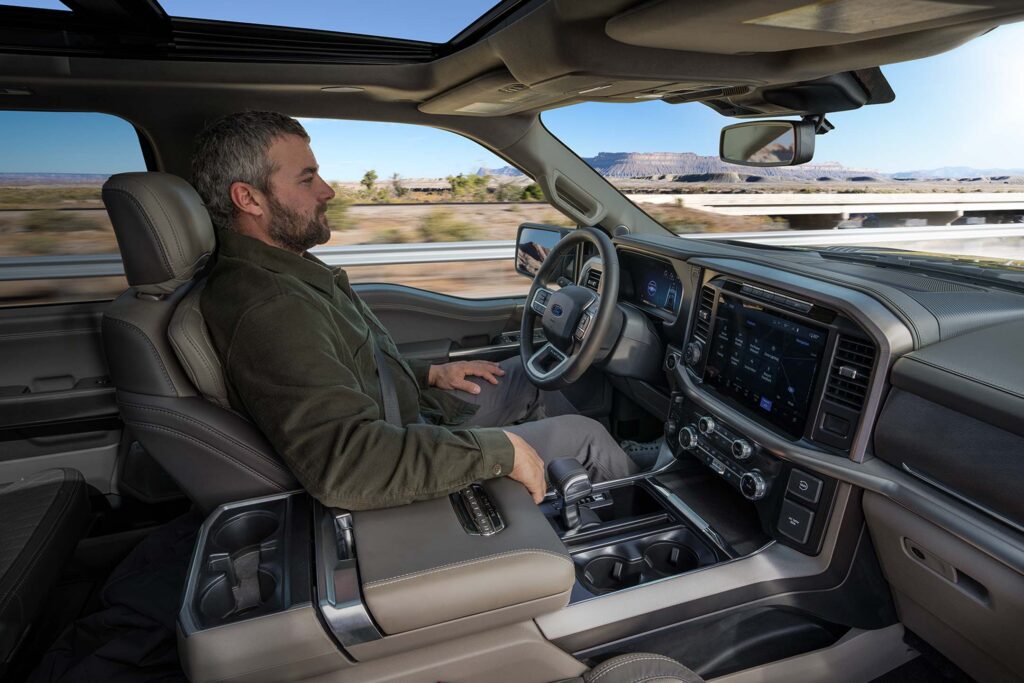
Buy your wheels and you’ve got the green light to turn it into a mural of your dreams or a roaring beast of the streets. It’s this freedom to ditch factory settings that gives ownership its pizzazz.
Leasing keeps that new-car shine locked behind a velvet rope of restrictions. You can flaunt the latest models, but customization options are as limited as a snail’s top speed. And just when you’re bonding with your sleek chariot, it’s time to hand it back.
Owning a car fuels an emotional satisfaction that's hard to pin down. It's part freedom, part exhaustion, and part triumph—like finishing a marathon covered in mud, but looking majestic while crossing the finish line.
Leasing offers a different vibe. It whispers of freedom from commitment and flexibility. Love changing cars like changing outfits? This is your jam. It’s for those who relish fresh starts and detest settling down.
Whether you choose to own or lease, it’s about trading off time and emotional investment. Pick your lane wisely, and may your driving adventures bring you joy, speed, and maybe a little road dust to shake off.
Depreciation and Resale Value
Picture this: You’re battling depreciation, the silent nemesis of car values. It’s always ready to take a chunk out of your investment the moment you leave the dealership. Understanding how depreciation bites is key in the lease vs. buy debate.
Leasing vs. Buying: Depreciation Face-off
- Leasing: A strategic sidestep from depreciation’s jaws. The car’s expected value loss is baked into your payments. It’s like a depreciation shield, freeing you from worrying about shrinking equity when it’s time to return the car.
- Buying: You’re soldiering on against depreciation alone. That new car smell fades fast, and with it, your car’s value. This hits hardest in the first few years. But here’s the upside: unlike leasing, ownership puts future resale value in your hands.
Once you’ve paid off the car—or feel the itch to upgrade—you’re eyeing the resale market. Every mile and year ticks away at the car’s worth. But if you’ve kept it in good shape, you could score a decent return. Market trends, model popularity, and buyer whims all factor into your potential payout.
With leasing, none of this weighs on you. When your lease ends, drop those keys and walk away—or hop into a new model. You’re insulated from resale woes because the leasing company takes the final value hit.
So, buying offers freedom and potential resale gains but means wrestling with depreciation head-on. Leasing dodges the endgame value drop but leaves you without ownership. Choose your path wisely, gearheads.
Mileage and Usage Considerations
Let’s talk mileage and usage. Leasing is like driving with a strict parent in the passenger seat: you’ve got more rules than a black-tie event. It comes with mileage limits that can feel tighter than a rusted bolt. Usually, you’re looking at 10,000 to 15,000 miles a year. Go over, and your wallet takes a hit.
These caps can cramp your style if you love road trips or have a long commute. Suddenly, you’re doing math on every drive, wondering if that weekend getaway is worth the extra cost-per-mile fee.
Buying, though? That’s your ticket to freedom. Drive coast to coast, conquer every mountain pass, or idle in parking lots if that’s your thing—no one’s counting miles or slapping penalties on you.
But remember, freedom comes with responsibility. Those miles add up, pushing your car closer to repair-ville and depreciation town. For road warriors, wear and maintenance are part of the deal. But hey, every adventure leaves a mark, right? You’re not just racking up miles, but creating memories.

Choosing Based on Driving Habits:
- High Mileage Drivers: Buying might be your best bet if you’re burning rubber faster than you drink coffee.
- Style Over Miles: Leasing could keep you looking fresh without the commitment if you’re more about appearances.
In the end, it’s about how you want to log those miles in your car-story. Do you want the thrill of unlimited freedom? Or the chance to swap rides often, playing by the leasing rules? Whatever you choose, may your travels yield tales worthy of every mile.
Market Trends and Future Outlook
Buckle up, folks! We’re diving into the current car market, where leasing vs. buying is as hot a topic as the best motor oil. It’s a full-on clash fueled by tech leaps, economic twists, and changing consumer tastes.
Technology’s Impact:
The auto world’s sprinting faster than a turbo roadster, with EVs, self-driving features, and smart car tech leading the pack. These changes are shaking up how we think about car ownership.
- Leasing: You’re betting on tech, hoping the next few years bring something you’ll want to upgrade to. It’s like being a smartphone junkie always craving the latest model.
- Buying: Takes a different tech gamble. You might feel like a classic car collector, wondering if your investment will still feel cutting-edge years down the road. But for some gearheads, being the sole master of their mechanical destiny is worth it.
Economic Factors:
The market’s as unpredictable as a car on a rainy track. Inflation, interest rates, and chip shortages keep prices and availability jumping around like a box of Pop Rocks. When money’s tight, leasing’s smaller bites look tastier to folks wary of big commitments.
But when the financial winds shift—maybe EV tax breaks kick in or your wallet feels fatter—buying gains traction. Ownership promises future savings and potential gains, unlike the constant cash drain of leasing.
Consumer Preferences:
Consumer preferences have shifted faster than a race car at the green flag. Cars aren’t just transportation anymore; they’re smartphones on wheels. Everyone wants their ride customized, connected, and comfy, which pulls the lease vs. buy debate in new directions.
Flexibility is king now. Leasing lets you hit refresh on your car experience regularly. But for the DIY mechanics and sentimentalists, buying is still the way to build a legacy, one oil change at a time.
In this market trends race, leasing and buying are more than choices; they’re reflections of bigger shifts in society. So when you’re in the market, bring your A-game and know your trends. Whether you’re after the next thrill or in it for the long haul, the ride’s as exciting as the destination.