
Origins of Iconic Car Brands
Ford: Pioneering Mass Production
Before Ford, owning a car was like owning a yacht—cool if you could afford it, but mostly a pipe dream. Then Henry Ford showed up in 1903, rolled up his sleeves, and started changing the game. By 1908, the Model T dropped like a mechanical bombshell. And in 1913, the assembly line followed, making cars cheaper and faster to build than a backyard go-kart.
Ford didn’t invent the car – but he damn sure made it American.
- Milestone: Model T sold over 15 million units
- Legacy move: Assembly line cut production time from 12 hours to 90 minutes
- Why it matters: Ford made mobility a right, not a luxury

Chevrolet: The People’s Car
Chevy rolled into the scene in 1911 with a chip on its shoulder and an eye on Ford’s rear bumper. Louis Chevrolet knew cars, and Durant knew business. The result? A blue-collar brand that punched way above its price tag. You wanted speed, style, and dependability without selling your soul? You bought a Chevy.
Then came 1953: the Corvette. Sleek fiberglass body, American muscle, and just enough European swagger to start a revolution.
- Game-changer: First-gen Corvette—America’s first sports car
- Cultural clash: Camaro vs. Mustang—still going strong
- Underdog win: Affordable performance that didn’t apologize
Chevy didn’t just compete – they made Ford sweat.
Mercedes-Benz: Engineering, But Make It Sexy
Formed in 1926 through the merger of Karl Benz’s and Gottlieb Daimler’s companies, Mercedes-Benz has long been associated with luxury and innovation. The brand introduced numerous safety and performance features, including the crumple zone and anti-lock braking systems.
The 1954 300 SL “Gullwing” coupe, with its distinctive upward-opening doors and fuel-injected engine, became an icon of automotive design and engineering.

BMW: From Aircraft Engines to Ultimate Driving Machines
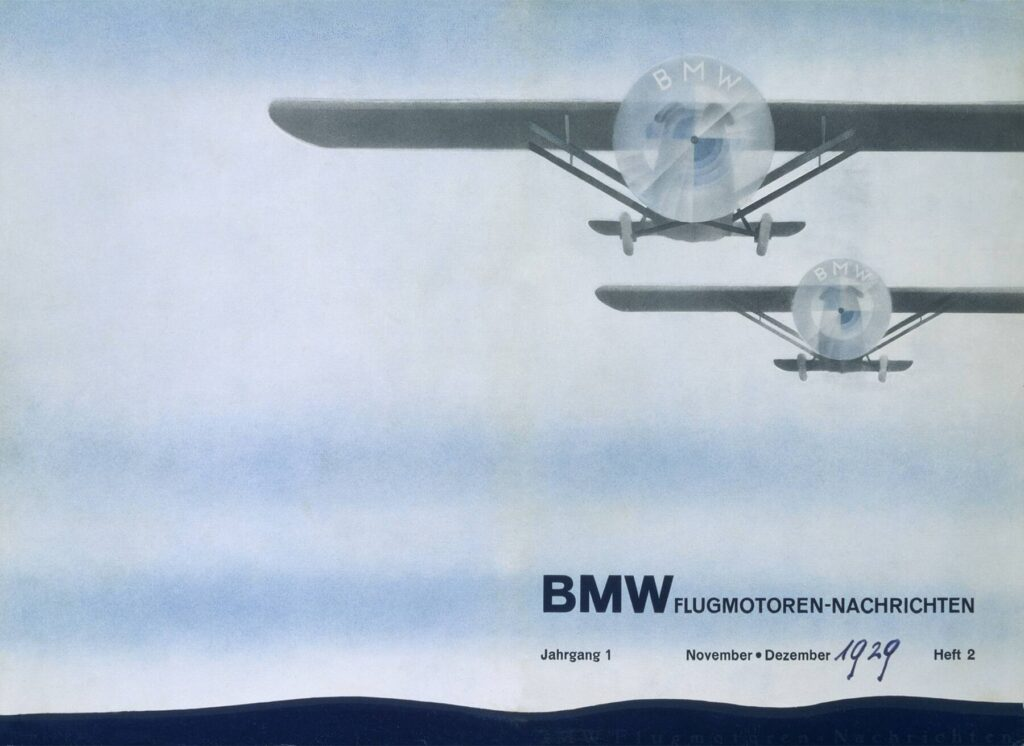
BMW didn’t start with cars. They started with aircraft engines in 1916, which explains why even their sedans feel like they’re trying to take off. By the 1930s, they dropped the 328 roadster—sleek, fast, and sharp enough to make Italy nervous.
Fast-forward to the ’70s, and BMW started making every other driver feel like they’d brought a spoon to a knife fight.
- Defining moment: BMW 2002—light, fast, corner-killer
- Cultural moment: Bond’s Z3 in GoldenEye
- Slogan that stuck: “The Ultimate Driving Machine”
These days? They’re still walking that tightrope between performance and polish like pros.
Dodge: Muscle and Mettle
Founded by brothers John and Horace Dodge in 1900, Dodge initially supplied parts to Detroit automakers before producing its own vehicles in 1914.
The brand became synonymous with performance and durability, especially with the introduction of the Charger and Challenger muscle cars in the 1960s and 1970s. These models, known for their powerful engines and aggressive styling, remain symbols of American automotive muscle.
Volkswagen: The People’s Car
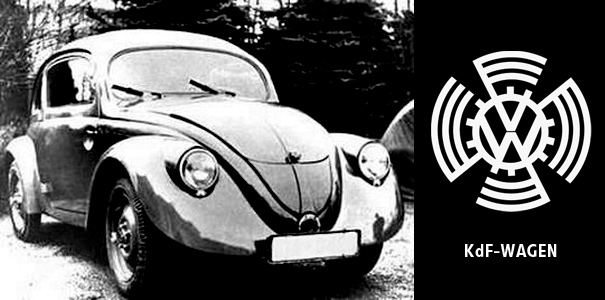
Born in 1937 in pre-war Germany, the Beetle was meant to be cheap, simple, and reliable. After WWII, it became the poster child for the counterculture. Peace signs, lava lamps, and Beetles? That was the holy trinity of ‘60s cool.
Then came the Bus. And with it, a whole damn movement.
- Everyman hero: Over 21 million Beetles sold worldwide
- Rebel with wheels: Became an icon of peace, not power
- Evolution: From Beetles to ID. Buzz—nostalgia goes electric
Volkswagen didn’t just build cars. They built identities.
Hongqi: China’s Luxury Pioneer
Established in 1958, Hongqi (meaning “Red Flag”) is China’s oldest passenger car manufacturer. Initially producing vehicles for government officials, Hongqi became a symbol of national pride and luxury. In recent years, the brand has modernized its lineup, blending traditional Chinese aesthetics with contemporary automotive technology to appeal to a broader market.
Challenges and Resilience
Zooming into the fast lane of automotive history, we see legends like Ford and Chevrolet not just for their triumphs, but for their tire-screeching resilience when roadblocks loomed larger than life.
| Brand | Challenges | Resilient Response |
|---|---|---|
| Ford | Great Depression, ’70s energy crises | Efficiency innovation, Mustang launch, pivot to electric/hybrid |
| Chevrolet | Oil shocks, 2008 financial crisis | Fuel-efficient models, compact tech, post-bankruptcy recovery |
| Dodge | Chrysler’s ’80s bankruptcy | Caravan minivan launch, Viper introduction |
| BMW | ’70s oil crises | Focus on efficiency, i3 electric innovation |

Ford adapted faster than a pit crew on race day, tightening bolts on efficiency and revving up innovation. The Mustang gave the tired American spirit an adrenaline rush, and their recent pivot to electric and hybrid tech shows they’re still leading the pack.
Chevrolet, always the reliable kid in class, found its smarts tested during oil shocks and the 2008 financial crisis. When the tank was running low, they rolled out fuel-efficient models and embraced compact tech faster than you could say “sport mode.” Even after GM’s 2009 bankruptcy, Chevy went full throttle on recovery, proving resilience is in their gasoline-laced blood.
Dodge, with “muscle” practically tattooed across their V8 engines, didn’t throw in the towel during Chrysler’s ’80s bankruptcy. They revved up boldness with the Caravan minivan and later the Viper, igniting a performance car resurgence that left competitors in the dust.
BMW faced the ’70s oil crises like a pro driver handles a hairpin turn. They zeroed in on efficiency without sacrificing their pulse-pounding experience. The futuristic i3 set the course for electric innovation, proving nothing could wrestle them off their premium perch.
Tesla, the new kid on the block, dove headfirst into the electric game, battling tech hiccups and production delays like a real-life game of bumper cars. But with an eye on the prize and a foot on the accelerator, they blazed past all speed bumps, redefining what it means to be a modern automaker.
These brands didn’t just survive—they thrived. The clutches of history tried to halt their momentum, but like any great engine, with a little tune-up, they’ve roared back, faster and fiercer. It’s not just about crossing the finish line; it’s about how you handle the curves along the way.