
History and Evolution
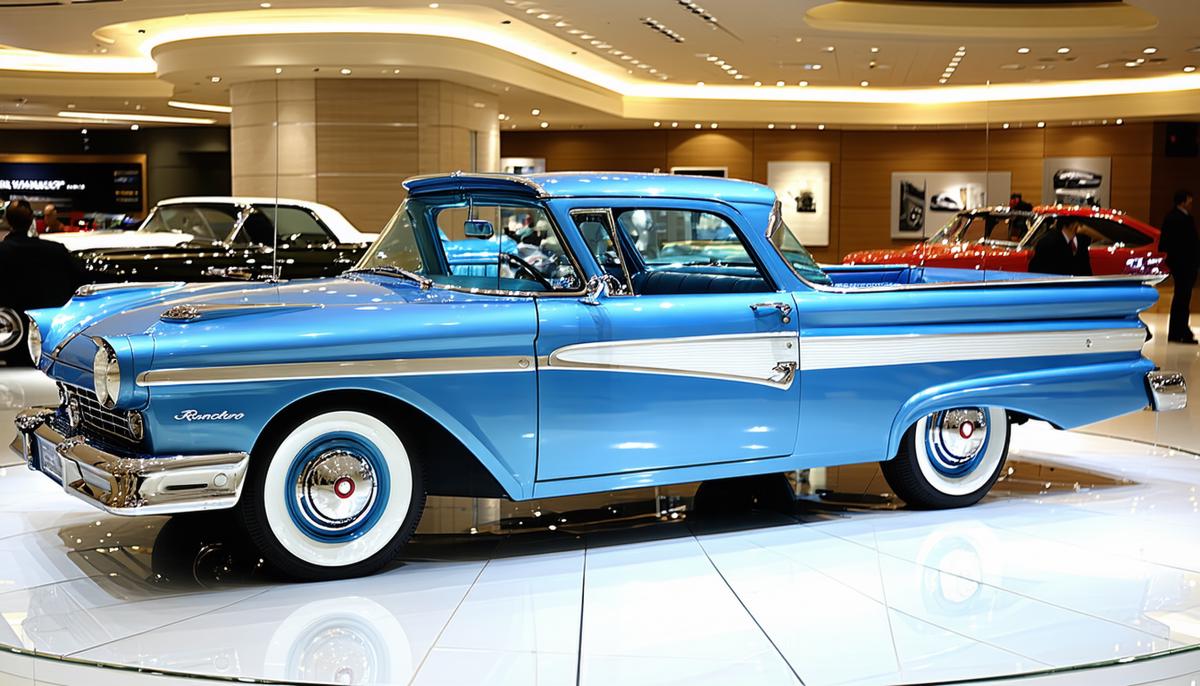
The Ford Ranchero burst onto the scene in late 1956, fusing car and truck into a novel package. Built on the frame of a two-door Ranch Wagon, it boasted a half-ton payload capacity rivaling some proper trucks.
As the '60s dawned, the Ranchero downsized to the Falcon platform. This second generation was nimble, offering engines from a 144 to a lively V8 by mid-decade.
In 1966, it adopted the Fairlane name, flexing its performance muscles with options like the 320 horsepower 390 V8. The late '60s saw the Ranchero bulk up with Torino styling, sporting stacked headlights and muscular engines. Options ranged from the mighty 428 Cobra Jet to the 351 Windsor.
The '70s brought curves and more engine choices, including steaming 429 Cobra Jets. By 1972, the Ranchero moved to a larger frame, embracing luxury with plush interiors.
In its final years until 1979, it grew in size and comfort, offering a range of V8s. The Ranchero had evolved from a muscle machine to a comfortable cruiser, leaving a trail of burnt rubber and nostalgic grins through America's changing landscape.
Performance and Specifications
The Ranchero's engine bay housed some serious muscle. Early models boasted engines like the sturdy 292 cubic inch V8, delivering 212 horses. As the muscle car era peaked, the late '60s introduced beasts like the 428 cubic inch Cobra Jet V8, pumping out 335 horsepower. By the '70s, you could cruise with a 429 Super Cobra Jet under the hood, cranking up to 375 horsepower.
But the Ranchero wasn't just about straight-line speed. Upgraded suspension geometry and power front disc brakes meant it could dance on twisty roads while hauling cargo. Special editions like the Ranchero GT spiced things up with race-inspired touches, rally wheels, and hood scoops.
As the '70s wore on, emission rules and fuel economy concerns reined in those massive horsepower numbers. But the Ranchero kept its charm, balancing practicality with a nod to those glory days when horsepower ruled the asphalt.

Cultural Impact and Popularity
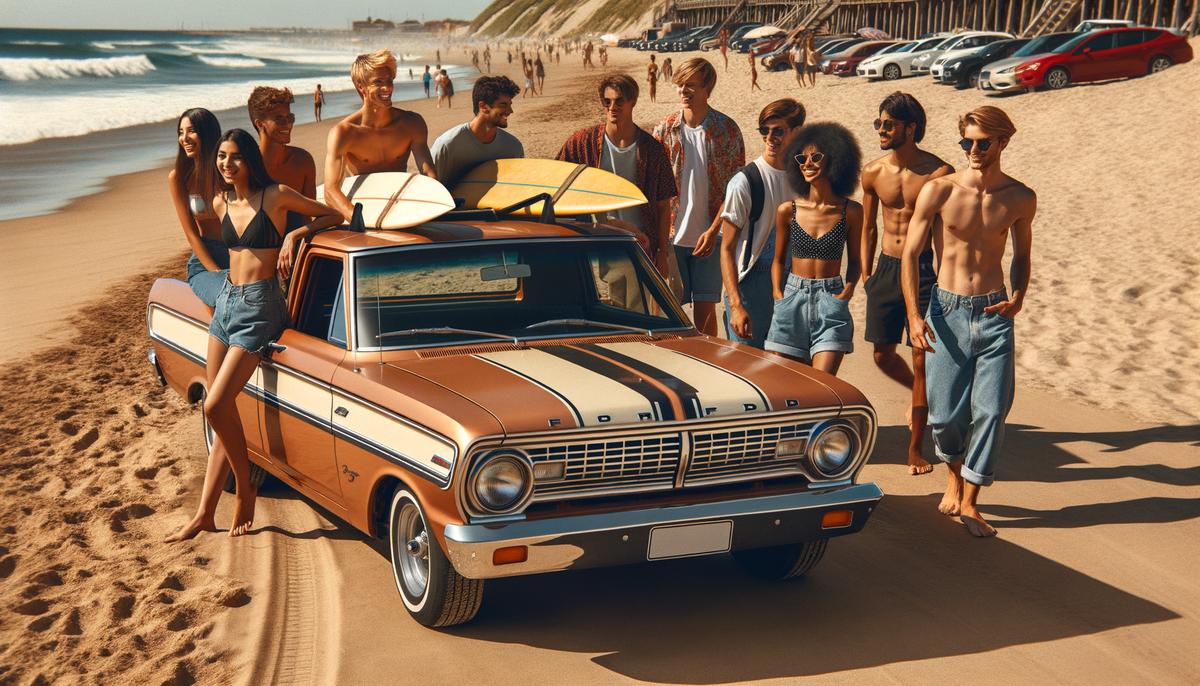
The Ranchero wasn't just a vehicle; it was a cultural icon that shifted perceptions. It represented freedom, lifestyle, and a dash of rebellion, hitting that sweet spot between car and truck.
- Bachelors dug it for its sporty looks without the "family car" label
- Outdoor enthusiasts and DIY buffs used it as a workhorse
- The custom car scene saw it as a blank canvas for chrome, wild paint, and roaring exhausts
The Ranchero played a friendly game of one-upmanship with its rival, the Chevy El Camino. Both vehicles traded blows, setting the stage for the classic Ford versus Chevy rivalry.
Even after leaving showrooms in 1979, the Ranchero's cultural stardom never faded. Its legacy lives on with classic car lovers, hot rod magazines, and collectors hunting for pristine models. It continues to inspire those who see vehicles as extensions of personality, somewhere between adventure and wild, carefree ambition.
Collectibility and Market Value
In the classic car collecting scene, the Ford Ranchero is a real diamond in the rough. Its scarcity keeps collectors on edge, especially for first-generation models and those from the muscle car heyday. The 1968 and 1969 GTs with the 428 Cobra Jet and manual transmission are particularly rare and valuable.
Condition is crucial in this collectible game. Well-kept Rancheros, even if not showroom perfect, hold their own against pristine examples. Collectors often seek that sweet spot—original paint, minimal rust, and a golden odometer reading.
"The Ranchero may not have hauled a lot of steers, even if they were just lightened up a bit, here in Rancholandia. But the related and legendary Falcon Ute down under probably has seen some fresh dung in its bed."
Market trends play a role, with certain models riding high as the flavor of the month. Recently, the Ranchero has become a nostalgic nod to the heyday of muscle cars blended with practical usefulness. This renewed appreciation is reflected in accelerating market values.
The cool factor can't be ignored. Owning a Ranchero means holding a slice of the American dream, a time when high performance was king and style ruled supreme. It's not just a vehicle; it's a symbol of an exuberant past, treasured in automotive history.
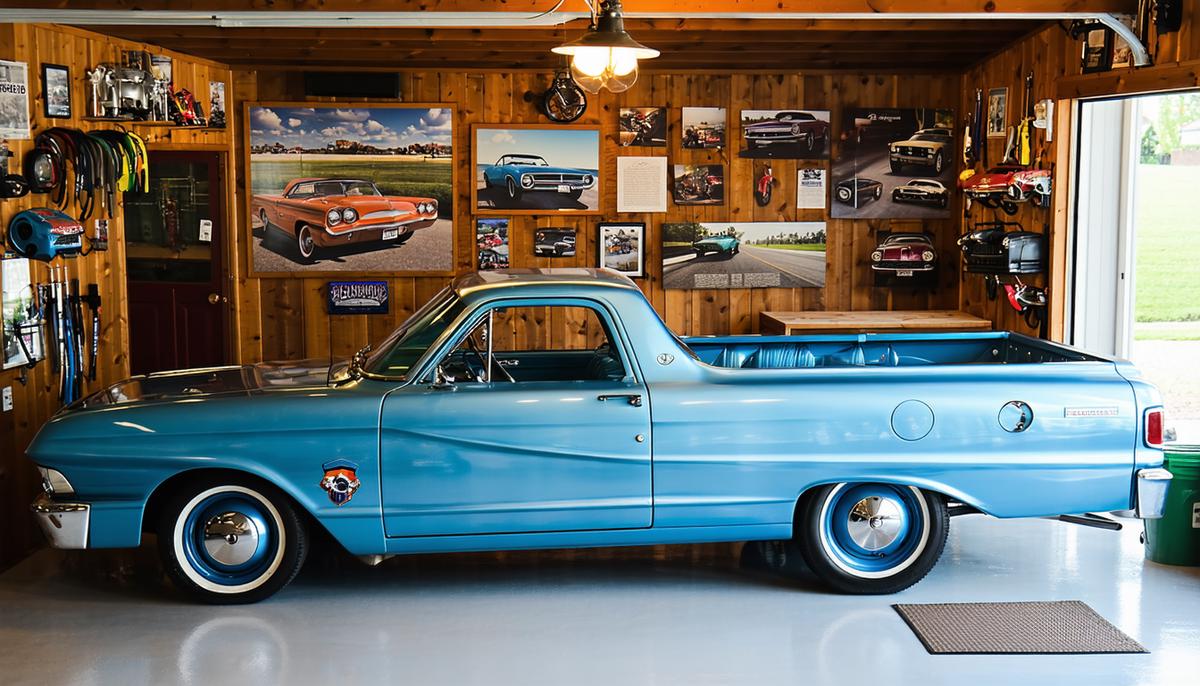
The Ford Ranchero stands as a testament to an era of automotive innovation, where the blend of car and truck created a legacy that still resonates today. Its journey through history is a vivid reminder of the bold spirit that dared to defy convention, leaving an indelible mark on the hearts of enthusiasts and collectors alike.
- Hemmings Motor News. Ford Ranchero History. 2021.
- Motor Trend. Torino Car of the Year Nomination. 1970.
- Hagerty. The Origins of the Muscle Car. 2020.
- Curbside Classic. The Rise of the American Ute. 2019.