
Design Evolution
The Chrysler Imperial's journey through design landscapes was like a gallant voyager crossing the seven seas. Each model rolled off the line with purpose, sometimes flashy, occasionally understated, but always aiming to capture the essence of luxury.
In 1967, the Imperial emerged with a unibody construction – a game-changer that allowed for drop-offs in outdated elements like the old wraparound windshield. This era's Imperial provided a luxurious ride with soft seating and an interior designed for comfort, though its style didn't quite have folks at hello.
Fast forward to 1981, and Chrysler steered its Imperial into the spotlight once again. This time, it packed high-tech engine elements into what some saw as yesterday's shell. It sported a full-digital dash, enough to excite button pushers, but its styling felt like a school project – visionary, but perhaps a touch too ambitious.
With exhilarating cruise control and some weight to its name, this car wasn't for the fast and furious. Instead, the Imperial was better suited for a relaxed glide on the open road, enveloping its riders in a silence marinated in luxury. It wore the look of prestige, even if sometimes feeling like a costume from a long-forgotten masquerade ball.
Every turn of its distinguished design dial bore witness to how changes in construction materials, automotive fashion, and safety demands shaped a car that stayed true to its luxurious aspirations – each model capturing a piece of its era's heart and soul.

Performance and Features
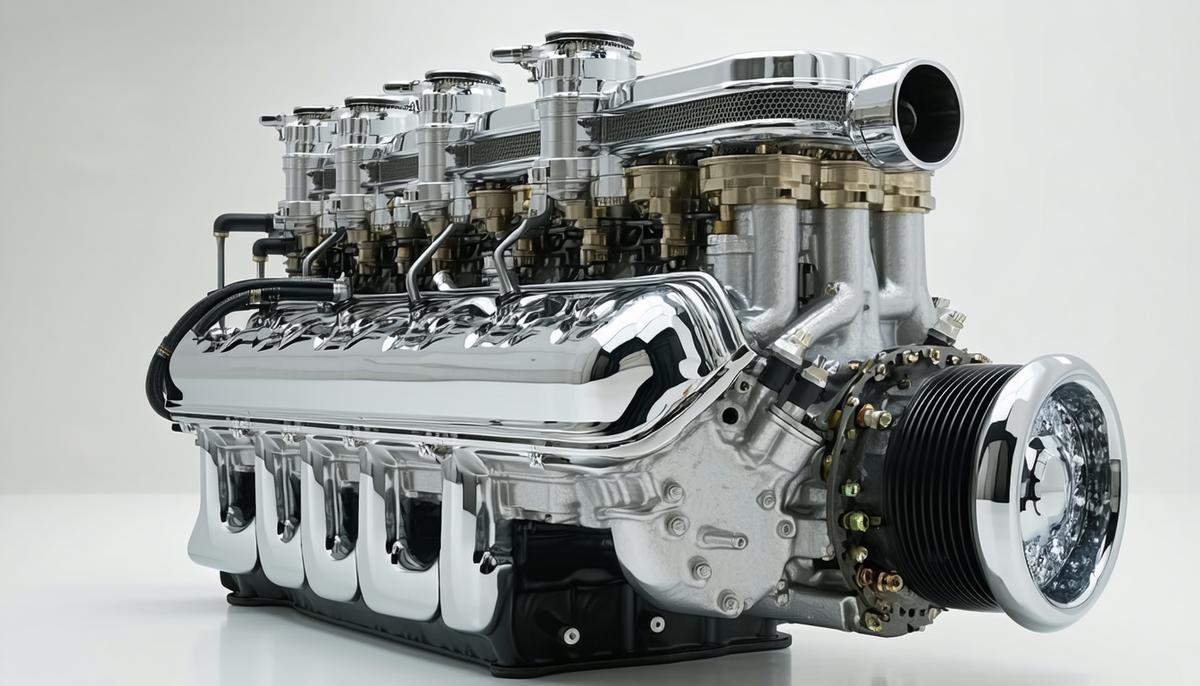
Let's yank off that polished hood and dive into the engine bay – the Imperial's beating heart. This cruiser came with a 440 cubic inch V8 engine, a beast that delivered a whopping 350 horsepower at its peak in the late 60s. Even with all that power, it kept the roar smooth and somewhat hush-hush, much like a leopard in a tuxedo.
On the highway, you're embracing an unmistakable, fluid power. Thanks to that 3-speed TorqueFlite automatic transmission, gear changes are as subtle as whispering sweet nothings. But don't let that smooth ride fool you; this Imperial is no track monster. It's meant for those leisurely Sunday drives or for anyone who wants to stand tall and mighty on the freeway.
Step inside the velvet-lined interior, and you might feel like you've been transported to a driver's paradise of pioneering features. The Mobile Director option offered a revolving passenger seat, a folding table, and reading lamps. It's like GM said, "Let's turn this car into a ballroom," and Chrysler responded, "Hold our cupholder."
Notable Features:
- Cruise control (called "Auto Pilot")
- Soft leather seats
- Genuine walnut trim
- Mirror inside the glove box
- Cigarette lighter on right-hand door console
Cruise control, called Auto Pilot back then, made those long rides not just bearable but truly delightful. Yet, despite Imperial's classic swagger and all those features, the market was a battleground and its foes were fierce. Cadillac and Lincoln loomed large, oozing that effortlessly ostentatious charm that threatened the Imperial's throne.
The Chrysler Imperial stood its ground, though – a noble knight in the round table of luxury sedans. For those willing to embrace its quirks and revel in the quiet power of its ride, the Imperial felt like a symphony when others were playing pop. Because let's be honest, in a world where hustle and noise rule, sometimes we just need a little more symphony in our drive.
Market Position and Sales
The Chrysler Imperial aimed high in the luxury arena, holding its head up among the stars – Cadillac and Lincoln. It strove to weave itself into the fabric of American indulgence, but the journey was not without its twists and turns.
Our beloved Imperial danced to a slightly different beat, presenting itself as a genuine piece of luxury Americana steeped in style and innovation. But here's the snag: while it had all the bells and whistles of luxury charm, it often lacked the sheer gravitational pull – what one might call "the indefinable quality of prestige" – that its contemporaries flaunted with ease.
Chrysler went the celebrity endorsement route, strategically potent in the era. Who better to persuade the masses than the Rat Pack themselves? Yup, none other than Frank Sinatra was said to have nudged Gregory Peck into picking up an Imperial right on the television screen. If the idea was to add a sprinkle of rarefied air, well, it was a pretty perceptive move.
"It's easy, look at the competition. All those printing salesmen have to drive something."– An old friend, former racer and automotive marketing man
But even star power has its finite charm. As the decades rolled forward, these marketing efforts couldn't exactly lift Chrysler's Imperial into an untouchable pinnacle of luxury sales figures. The demand sagged under the weight of reality: a market that longed for cutting-edge and brand power that symbolized status.
Still, the Imperial wasn't about to drive off into oblivion without making an impact. Those who dared to embrace it loved it fiercely, forming a brotherhood of car enthusiasts who valued its quirks and the aura it projected on the open road. Their passion kept its spirit alive and kicking, making sure the Imperial forever maintained a romantic edge in the legacy of luxury cars.

Cultural and Historical Impact
The Chrysler Imperial isn't just a car; it's a rolling piece of American history, a snapshot frozen in time that tells a story beyond chrome-plated trim and V8 roars. This chariot of yore may not have conquered the sales charts like a Detroit darling, but it found its real values in cultural allure and historical resonance that resonate even today.
In car collections and museums, the Chrysler Imperial is cherished much like a rare artifact. Take Vernon's Antique Car Museum in Newfoundland, for example. Nestled among the rolling hills and whispering pines, it houses an array of automotive royalty, with the Imperial lined up alongside timeless classics. Car enthusiasts and casual visitors alike marvel at its storied past, making the trek across routes forgotten by time, just to catch a glimpse of this metal Adonis.
Classic car aficionados see the Imperial as a diamond in the rough, a machine that sings the kind of notes you just can't replicate in today's age of plastic dashboards and silent engines. It has managed to ignite the heart of many collectors – the kind of people who revel in restoring not just the bodywork, but the aura, the very soul of these vehicular monarchs.
In the parade of classic car shows, whether it's the lively gatherings at Pebble Beach or the concours circuits where echoes of bygone engines fill the air, the Chrysler Imperial proudly stakes its place. It rolls into these arenas with the panache of a bygone Hollywood starlet, drawing gazes and whispers as enthusiasts exchange stories of dream rides and garage projects.
It's theater on wheels, folks. And for those fortunate enough to own or even ride shotgun in one, it's more than just about getting from point A to point B. It's about stepping into a world where power met finesse, and luxury was about more than just leather seat massagers. It was about the experience – the distinctive growl of the engine, the opulence seeping through every button, and the prestige hanging like a halo overhead.

The Chrysler Imperial's legacy is one of aspiration, where luxury and nostalgia intertwine, leaving an indelible mark on those who appreciate its journey. Its story, filled with both triumphs and challenges, continues to resonate, reminding us of an era when cars were more than just vehicles – they were expressions of identity and dreams.
- Car and Driver. One is hard pressed to know exactly what or whom the new Chrysler Imperial is for. January 1981.
- Car Life Magazine. Imperial Review. 1967.
- The Revs Institute. Museum Collection Information. 2023.
- TTAC. Capsule Review: 1967 Imperial. February 28, 2009.