
Planning a road trip? Whether it’s a family visit, a weekend getaway, or a scenic drive, preparing your vehicle properly is just as important as packing your bags.
A long drive puts your car under more pressure than the usual daily commute. And while it might seem like it’ll “probably be fine,” a simple issue left unchecked can turn into a major headache on the road.
Before you hit the highway, take a few minutes to go through this no-nonsense checklist. You’ll drive with more confidence—and a lot more peace of mind.
1. Tires: Your First Line of Safety
Worn or underinflated tires are a leading cause of highway breakdowns. Fortunately, they’re also easy to check.
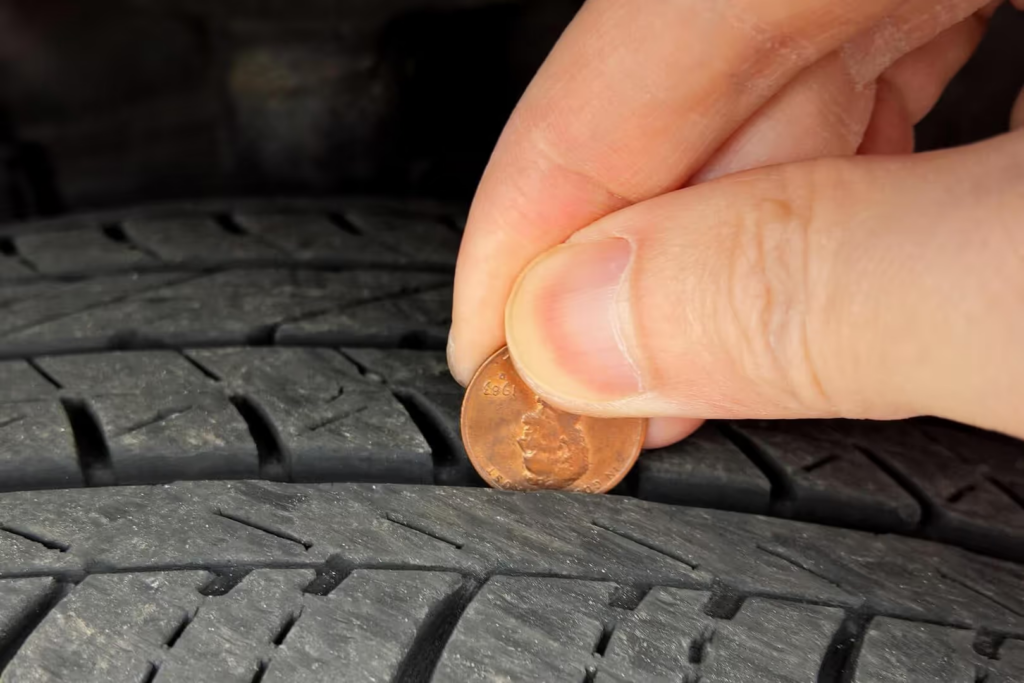
- Check the tread – Use a penny or tread gauge. If the tread is low, don’t push your luck.
- Check tire pressure – Inflate to the manufacturer’s recommended PSI (usually on a sticker inside your driver’s door).
- Don’t forget the spare – Make sure it’s inflated and the jack is where it should be.
🔧 Look for signs of uneven wear, bulges, or cracks—especially if your tires are more than 5 years old.
2. Fluids: Keep Everything Running Smoothly
Fluids are the lifeblood of your car’s systems. Before you go:
- Check engine oil – If it’s low or dirty, get an oil change.
- Coolant – Essential to prevent overheating, especially in warm weather or on long hills.
- Brake fluid – Crucial for safe stopping. Top it off if needed.
- Windshield washer fluid – You’ll appreciate it when bugs or dust hit your windshield mid-drive.
🛢️ A few minutes here can save hours (and dollars) later.
3. Brakes: No Room for Guesswork
Don’t rely on “they feel fine.” Long trips mean more braking at higher speeds.
- Listen for squeaks or grinding
- Notice if braking feels soft or the car pulls to one side
🛑 If in doubt, have a mechanic take a look. Safety first—always.
4. Battery: Quiet Until It Isn’t
A weak battery might still start your car today—but may not tomorrow.
- Batteries over 3 years old should be tested (Most auto shops do this for free)
- Check for corrosion around the terminals
- Make sure it’s secured properly
🔋 A dead battery is one of the top reasons people get stranded.

5. Lights, Wipers, and Visibility
You never know what weather or darkness you’ll encounter. Make sure:
- Headlights, brake lights, and signals are all working
- Wiper blades are in good condition (no streaking or squeaking)
- Windshield and mirrors are clean and free of cracks
💡 Visibility = safety. Don’t drive into a storm unprepared.
6. Emergency Supplies: A Simple Kit Can Make a Big Difference
Even with the best planning, it’s smart to be ready just in case. Bring:
- Jumper cables or battery starter
- Flashlight and extra batteries
- First-aid kit
- Bottled water and snacks
- Phone charger and power bank
- Reflective triangle or flares
- Basic tools and duct tape (yes, it still fixes everything)
📦 This isn’t over-prepping—it’s just being smart.
7. Final Prep: Tech, Fuel, and Navigation
- Fill your tank—Don’t rely on remote gas stations being open or easy to find.
- Download maps—Great backup in areas with poor reception.
- Plan rest stops—Build in breaks every couple of hours to stay alert and comfortable.
📲 Today’s trip planning is part digital, part common sense. Use both.
Ready to Roll?
A smooth road trip starts with a reliable car. This checklist takes less than 30 minutes—but could save you hours of frustration or hundreds in emergency repairs.
So before you pull out of the driveway, take a few minutes and double-check. You’ll feel better knowing your car is as ready for the journey as you are.
Safe travels—and enjoy the ride.